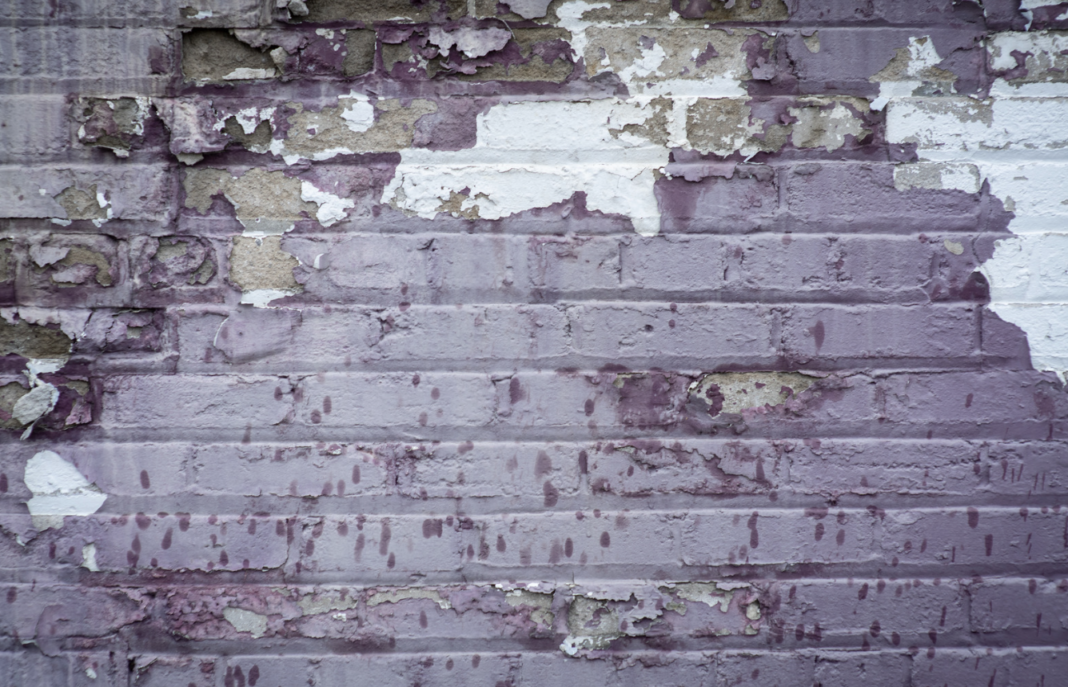
Few home improvement projects are more frustrating than watching exterior paint start peeling only a few years after it was finished.
Most homeowners expect exterior paint to last much longer. So when bubbling, cracking, or flaking starts appearing early, the first reaction is usually confusion.
Was the wrong paint used? Was the contractor inexperienced? Is moisture getting behind the siding?
Those questions show up constantly across homeowner forums, Reddit renovation threads, and DIY communities because peeling exterior paint is incredibly common. In many cases, the problem is not just the paint itself. It is usually a combination of surface preparation issues, weather exposure, moisture intrusion, and application timing.
Homeowners researching repainting projects often spend more time comparing prep methods and warranty coverage than simply choosing colors. Homeowners evaluating Exterior Painting Contractors Broomfield CO services pay close attention to how companies handle sanding, priming, caulking, and moisture protection before any paint gets applied.
Angi List noted that climate, preparation quality, and siding condition all play major roles in determining how long exterior paint lasts.
How Long Should Exterior Paint Last?
It depends on several factors.
Most exterior paint jobs last somewhere between:
- 5 to 10 years on wood siding
- 10 to 20 years on fiber cement
- 15 to 20 years on stucco or brick
But lifespan varies dramatically based on:
- climate exposure
- paint quality
- sun intensity
- moisture conditions
- preparation work
- maintenance
Homes exposed to intense sunlight, snow, humidity, or freeze-thaw cycles usually experience faster paint deterioration.
The Biggest Reason Exterior Paint Peels Early
Poor surface preparation.
This is one of the most repeated themes among professional painters and frustrated homeowners alike.
Paint only adheres as well as the surface underneath it.
If surfaces are not cleaned, scraped, repaired, and primed properly, peeling often happens much sooner.
Common prep problems include:
- painting over dirt or chalky residue
- skipping primer
- failing to scrape loose paint
- painting damp surfaces
- ignoring mildew growth
- not sealing gaps or cracks
Even high-end paint products can fail quickly when prep work is rushed.
Moisture Intrusion Is a Major Problem
Water is one of the biggest enemies of exterior paint.
Moisture can enter through:
- cracked caulking
- damaged siding
- roof leaks
- clogged gutters
- window gaps
- unsealed trim
Once moisture gets trapped underneath paint, peeling often begins from the inside out.
That is why some homes develop bubbling or blistering even when the paint itself is relatively new.
Paint may look intact initially, but hidden moisture slowly weakens adhesion underneath the surface.
Why South-Facing Walls Fade Faster
Sun exposure matters more than many homeowners realize.
South-facing walls often receive:
- stronger UV exposure
- more heat
- longer sunlight duration
Over time, ultraviolet rays break down paint binders and pigments.
This leads to:
- fading
- cracking
- brittleness
- peeling
Dark exterior colors tend to absorb more heat, which may accelerate deterioration even faster.
Can Cheap Paint Cause Peeling?
Sometimes yes.
Lower-quality paints often contain:
- weaker binders
- less durable pigments
- thinner formulations
As a result, they may struggle against:
- moisture
- UV exposure
- temperature swings
Higher-end exterior paints usually provide:
- better adhesion
- stronger weather resistance
- longer color retention
- improved flexibility
That flexibility becomes important as siding materials expand and contract throughout seasonal temperature changes.
Why Primer Failure Creates Problems
Primer is not just an optional extra layer.
Primer helps:
- seal porous surfaces
- improve paint adhesion
- block stains
- create uniform absorption
Skipping primer or using the wrong type can cause paint to separate from the surface prematurely.
This becomes especially important when painting:
- bare wood
- repaired siding
- patched surfaces
- older painted materials
Without proper primer bonding, the topcoat may fail much sooner.
Weather Timing Can Ruin Exterior Paint
Exterior painting is heavily weather-dependent.
Paint applied during poor conditions may not cure correctly.
Problematic conditions include:
- extreme humidity
- direct hot sunlight
- rain exposure
- cold temperatures
- rapid overnight temperature drops
Improper curing often contributes to:
- blistering
- uneven adhesion
- peeling
- cracking
This is why experienced painters monitor temperature and humidity forecasts carefully before scheduling projects.
Why Peeling Often Happens Around Windows and Trim
These areas experience constant movement and moisture exposure.
Caulking failures near:
- windows
- doors
- trim joints
- siding seams
allow water intrusion to develop slowly behind the paint film.
Once moisture becomes trapped, paint begins separating from the surface.
Trim areas also experience more expansion and contraction because of temperature fluctuations.
Can Pressure Washing Damage Paint?
Yes, if done incorrectly.
Pressure washing is important before repainting, but excessive pressure can:
- gouge wood
- force water behind siding
- loosen existing paint
- damage caulking
Professional prep work requires balancing proper cleaning without damaging the surface underneath.
Why Older Homes Experience More Peeling Issues
Older homes often contain:
- multiple paint layers
- aging wood
- outdated caulking
- hidden moisture damage
Older siding materials may also expand and contract more aggressively over time.
That movement gradually weakens paint adhesion.
In some homes, peeling problems continue recurring until underlying structural or moisture issues are repaired.
Is Peeling Paint Only Cosmetic?
Not always.
Exterior paint acts as a protective barrier.
Once paint begins failing, surfaces underneath become more vulnerable to:
- moisture damage
- wood rot
- mildew growth
- UV deterioration
Ignoring peeling for too long may eventually increase repair costs significantly.
Signs Exterior Paint May Fail Soon
Homeowners often notice subtle warning signs before full peeling starts.
These include:
- bubbling
- hairline cracks
- fading
- chalky residue
- lifting edges
- blistering near trim
Early maintenance sometimes prevents larger paint failures later.
Why Some Paint Jobs Last Much Longer Than Others
Long-lasting exterior paint usually depends on:
- thorough prep work
- proper primer use
- high-quality paint
- correct weather timing
- moisture control
- ongoing maintenance
The actual painting process is only one part of the overall durability equation.
That is why two homes painted the same year may age very differently.
You Deserve Better Exterior Painting Results
Exterior paint peeling after only a few years is one of the most common frustrations homeowners discuss online because the problem often feels unexpected and expensive.
But peeling rarely happens because of a single issue alone.
Most failures involve a combination of:
- moisture intrusion
- poor prep work
- UV exposure
- incorrect application timing
- aging surfaces
- low-quality materials
Understanding those factors helps homeowners make better repainting decisions and avoid repeating the same problems during future exterior projects.
A successful exterior paint job depends less on the color itself and far more on what happens underneath the surface before the first coat is ever applied.