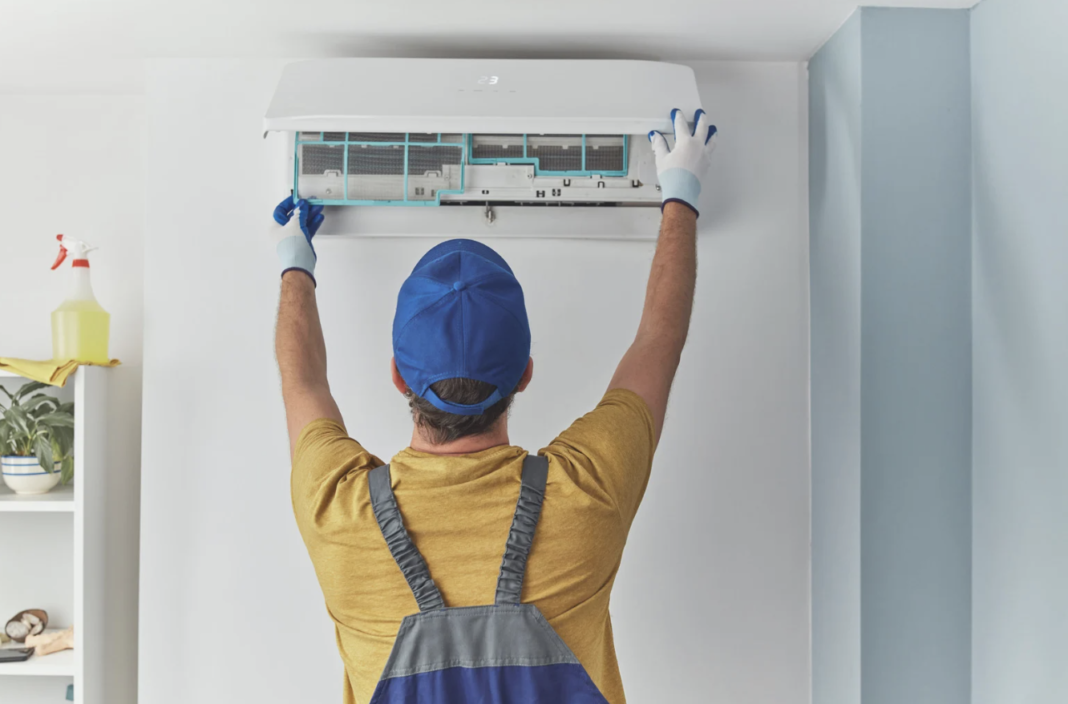
Every summer, homeowners who skipped their spring AC tune-up call an HVAC company on the hottest day of the year and find out two things at once: the system is not working, and the next available appointment is three days out. That scenario is not inevitable. It is what happens when maintenance is treated as optional rather than as the preventive work that makes repair calls less frequent and less expensive.
Understanding the difference between maintenance and repair, what each one costs, and when you are actually due for each helps homeowners make better decisions about their cooling systems year-round. Homeowners in the south Denver metro who need service can reach out to AC Repair Highlands Ranch CO specialists at Van Genderen Heating and Cooling, an HVAC contractor serving residential customers throughout Douglas County and the surrounding communities. Van Genderen’s NATE-certified technicians perform both maintenance and repair work on most residential cooling system brands.
ENERGY STAR data shows that proper air conditioner maintenance can reduce cooling costs by 5% to 15% annually. An AC system that is not maintained loses approximately 5% of its original efficiency every year of neglect, according to the Department of Energy.
Does AC Maintenance Prevent Breakdowns?
Regular maintenance does not guarantee that an air conditioner will never break down. It significantly reduces the frequency, cost, and severity of breakdowns by addressing the conditions that cause failures before they occur.
The most common breakdown causes in residential AC systems are directly connected to maintenance neglect:
- Dirty evaporator and condenser coils: coils covered in dust, debris, or biological growth lose heat transfer efficiency. An AC unit working harder to achieve the same cooling output runs longer cycles, generates more heat, and causes compressor stress. Compressor failure is the most expensive AC repair, typically running $1,500 to $2,800 for replacement.
- Clogged condensate drain line: the drain line removes moisture extracted from indoor air. A clogged drain causes water to back up into the unit, triggering a safety shutoff or causing water damage to surrounding surfaces. Clearing a drain line during maintenance takes minutes. Remediating water damage from an overflowing drain pan can cost hundreds to thousands of dollars.
- Low refrigerant from slow leaks: refrigerant loss causes the system to lose cooling capacity gradually. A system running low on refrigerant develops ice on the evaporator coil, causes the compressor to run in conditions it was not designed for, and eventually fails if the leak is not found and repaired. Refrigerant leaks caught during maintenance are repaired before the refrigerant drops low enough to cause compressor damage.
- Failing capacitors and contactors: the electrical components that start and run the compressor and fan motors degrade with heat and age. A failing capacitor causes hard starts that stress the compressor motor. Capacitor replacement costs $150 to $300. Compressor replacement following capacitor failure costs $1,500 to $2,800.
Annual maintenance catches these conditions before they cause system shutdowns.
How Often Should Air Conditioners Be Serviced?
HVAC manufacturers and ENERGY STAR recommend annual service for residential central air conditioners. The timing matters: maintenance scheduled in spring, before the first cooling demand of the season, ensures the system is clean, properly charged, and electrically sound before operating under summer loads.
For homes with high occupancy, pets, or in areas with elevated dust or pollen, semi-annual maintenance is worth considering. The additional service visit in fall prepares the system for storage in winter, verifies the refrigerant level is stable, and allows the technician to check cover panels, electrical connections, and the condensate system before the unit sits idle.
Mini-split and ductless systems require quarterly filter cleaning performed by the homeowner and annual professional service that includes coil cleaning, refrigerant check, and drain maintenance. Mini-split systems that are not cleaned regularly develop mold in the air handling unit, which circulates into the living space.
What a Professional AC Maintenance Visit Includes
A standard residential AC maintenance visit, also called a tune-up or seasonal inspection, typically takes 45 to 90 minutes and covers:
- Condenser coil cleaning (outdoor unit): removal of dirt, grass clippings, and debris from the coil fins using a coil cleaner and low-pressure rinse
- Evaporator coil inspection (indoor unit): visual inspection for dirt buildup, ice formation, and condensation management
- Air filter check and replacement: replacement is typically extra unless included in a service agreement
- Refrigerant pressure measurement: verifies the system is operating within manufacturer-specified charge tolerance
- Condensate drain flush: clearing the drain line and verifying the condensate pan is draining correctly
- Capacitor and contactor testing: electrical component testing with a multimeter to identify components approaching failure
- Thermostat calibration verification: confirms the thermostat is reading temperature accurately and staging the system correctly
- Airflow measurement at supply registers: identifies duct or filter restriction that reduces system efficiency
- Electrical connection tightening: loose connections at the disconnect, capacitor, and contactor are common and inexpensive to correct during maintenance
What AC Maintenance Costs vs. What AC Repairs Cost
Maintenance costs are predictable. Repair costs range widely, depending on what failed and when.
AC maintenance costs:
- Single annual tune-up: $75 to $200 in most Colorado markets
- Service agreement with one or two annual visits plus priority scheduling and discounts on parts: $150 to $400 per year in line with the provider and coverage level
Common AC repair costs:
- Capacitor replacement: $150 to $300
- Contactor replacement: $150 to $250
- Condensate drain clearing (reactive call): $100 to $200
- Refrigerant recharge (per pound, 410A): $100 to $150 per pound; a typical residential system holds 6 to 12 pounds
- Refrigerant leak detection and repair: $225 to $1,600, depending on leak location
- Evaporator coil replacement: $800 to $2,500
- Compressor replacement: $1,500 to $2,800 for the component alone; labor adds $400 to $800
- Full system replacement for units 12 to 15+ years old or with failed compressors: $4,000 to $12,000 installed, depending on system size and efficiency rating
The math on maintenance versus repair is straightforward. An annual $150 tune-up that catches a failing capacitor saves $150 compared to a $300 reactive repair call that catches the same issue after the system stops running. The same maintenance visit that catches a slow refrigerant leak prevents the $2,500 compressor replacement that follows if the leak goes undetected for two more seasons.
What to Expect After an AC Service Visit
After a professional maintenance visit, the technician should provide a written report of what was inspected, what was found, and any recommendations for repairs or component replacement. That documentation lets homeowners track the system’s condition year over year and plan for major repairs or system replacement before an emergency forces the decision.
If the technician recommends a repair, ask for the expected timeline before the component fails, not just the repair cost. A capacitor testing near the edge of its operating range might last one more season or fail within weeks. Understanding the urgency helps homeowners prioritize.
For systems over 10 years old, ask the technician for an efficiency comparison between repair and replacement when a major component fails. A 15-year-old system that needs a compressor replacement may cost more to fix than the system’s remaining service life justifies, particularly when new systems offer 20% to 30% efficiency improvements over older units. A qualified technician will provide that context without pressure to purchase.
Homeowners who sign up for a service agreement with a reputable local HVAC contractor get two practical benefits beyond the maintenance itself: priority scheduling during peak season, and a relationship with a technician who knows the system’s history. That familiarity shortens diagnostic time and improves repair accuracy when something does go wrong.