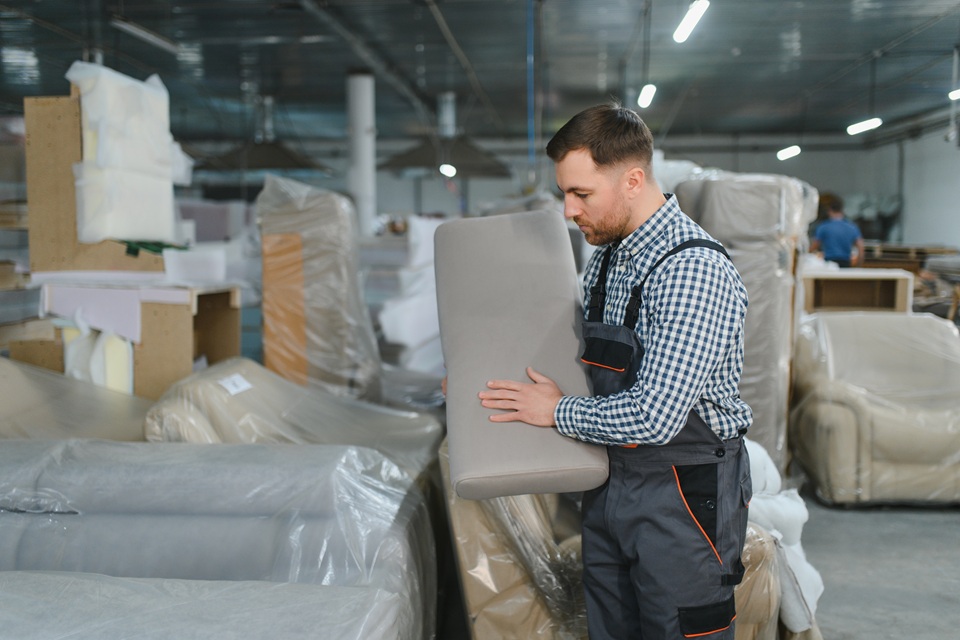
A sofa, armchair or dining chair can begin to look tired long before its frame reaches the end of its useful life. Faded fabric, compressed cushioning, staining or an outdated colour can change the appearance of furniture even when its proportions and construction still suit the home.
Professional custom furniture upholstery services in Sydney provide a way to refresh these pieces without replacing the furniture entirely. Depending on its condition, the work may involve new fabric, cushioning, padding, support components and decorative finishes.
Custom furniture upholstery is particularly worth considering when a piece has a strong frame, useful dimensions, distinctive design or personal value. The result can retain the qualities that already work while changing how the furniture looks, feels and functions within the room.
Start by Assessing the Existing Furniture
Reupholstery should begin with the structure rather than the fabric.
A worn covering is relatively straightforward to replace. A frame with significant movement, damaged joints or extensive deterioration may require additional repair before upholstery work begins.
Before deciding to proceed, consider:
- Whether the frame feels stable
- Whether the dimensions still suit the room
- Whether the furniture remains comfortable to use
- The condition of cushioning and internal support
- Whether an equivalent replacement would be easy to find
- Any sentimental, design or matching-set value
A well-made sofa or armchair may contain timber, springs and structural components with many years of useful life remaining even though the outer materials have worn.
Dining suites are another example. Replacing several matching chairs can be difficult when the original design has been discontinued. Upholstery allows the furniture to retain its existing shape and proportions while refreshing the areas exposed to everyday use.
Choose Fabric According to Everyday Use
The most attractive upholstery fabric is not necessarily the most practical one.
A sofa used every evening by a family experiences different conditions from an occasional chair in a bedroom. Dining chairs need to cope with repeated movement and possible spills, while furniture in a home with pets may need a surface that is easier to clean and less prone to snagging.
When comparing fabrics, consider:
- Frequency of use
- Fibre composition
- Cleaning instructions
- Resistance to abrasion
- Colourfastness
- Texture
- Pattern repeat
- Suitability for children or pets
- Manufacturer recommendations
The Martindale test is commonly used to assess textile resistance to repeated abrasion. ISO 12947-2:2016 specifies a method for determining when a fabric specimen breaks down during repeated rubbing under controlled test conditions. The standard remains current following its latest review.
A Martindale result can help compare upholstery fabrics, but it should not be the only consideration. Maintenance requirements, construction and the intended application also influence whether a textile is appropriate.
Use Upholstery to Change the Character of a Room
Reupholstery allows furniture to change visually without changing its dimensions.
This can be particularly useful after renovating a room. A sofa that still fits the space perfectly may no longer coordinate with new flooring, paint, curtains or other furnishings. Changing the upholstery can integrate it into the updated interior without replacing the entire piece.
Large furniture generally has a strong visual presence, so colour should be considered carefully. Neutral upholstery can create a flexible foundation for changing cushions, throws and accessories, while an armchair or ottoman can support a stronger colour or pattern.
Look at the complete room before making a decision. Consider:
- Wall colours
- Flooring
- Rugs
- Curtains
- Timber finishes
- Existing furniture
- Natural and artificial light
A fabric that appears warm grey in a showroom, for example, may look considerably cooler beside particular flooring or wall colours.
Viewing a larger sample in the room at different times of day gives a more realistic indication than selecting from a small swatch under showroom lighting.
Consider Pattern Scale Before Ordering Fabric
Patterned upholstery can transform a chair or sofa, but the size and placement of the repeat need careful planning.
Large-scale patterns generally require enough surface area for the design to be visible. They may work particularly well across broad chair backs or cushions but can be difficult to position on very small furniture.
Matching a pattern across cushions, arms or several dining chairs may also require additional fabric.
Smaller repeating designs can be easier to use across compact pieces, while plain or subtly textured materials can allow the furniture’s shape to become the main feature.
The style of the original furniture should remain part of the decision. Upholstery can modernise an older piece, but the strongest results generally work with its proportions rather than attempting to disguise them completely.
Refresh Comfort at the Same Time
Furniture upholstery is not only about appearance.
Seat foam and other internal materials gradually change through repeated compression. A sofa may begin sagging, cushions can become uneven and an armchair can lose the support it originally provided.
Covering those components with new fabric will not correct the underlying problem.
An upholsterer can assess whether the existing cushioning remains suitable or whether parts need replacing or reshaping. Depending on the construction, support systems beneath the cushions may also require attention.
Comfort should be matched to how the furniture is used. A lounge designed for extended relaxation will have different requirements from an upright dining chair or an occasional seat.
Addressing these issues during reupholstery allows both the appearance and everyday usability of the furniture to be refreshed together.
Use Finishing Details Selectively
Details such as piping, buttons, decorative studs and exposed timber can influence the final appearance just as much as the main fabric.
Piping can define the outline of cushions and curved arms. Matching piping creates a restrained finish, while contrasting piping makes the furniture’s shape more prominent.
Buttoning may be important to retaining the character of a traditionally upholstered piece. Decorative studs can also work well on furniture originally designed around that type of detailing.
More is not always better.
A strongly patterned textile may need few additional details, while a plain fabric can support visible piping or buttoning without making the finished piece feel overly busy.
Exposed timber should also be considered. Legs, arms and frames need to coordinate with the new fabric. In some cases, refinishing the visible timber may help create a more cohesive result.
Reupholstery Can Keep Useful Furniture in Service Longer
Keeping a sound piece of furniture in use can reduce the need to discard structural components simply because its fabric or cushioning has worn.
The Australian Government’s current circular economy guidance specifically identifies reuse, repair and refurbishment as ways of keeping products and materials in use for longer.
The NSW Environment Protection Authority follows a similar waste hierarchy, prioritising waste avoidance and reduction, followed by reuse and other forms of resource recovery before disposal. Its guidance specifically notes that household items can be repaired and reused rather than immediately discarded.
This does not mean that reupholstery is automatically the more sustainable choice for every piece. The condition of the frame, extent of repair required and expected future use should still be considered.
The strongest case exists when reupholstery allows genuinely serviceable furniture to remain useful for longer.
Compare Reupholstery With a Like-for-Like Replacement
Cost should be considered against the furniture that would actually replace the existing piece.
Comparing the price of reupholstering a solid, well-built sofa with an inexpensive entry-level replacement does not provide a like-for-like assessment.
Instead, consider what it would cost to buy furniture with similar:
- Frame construction
- Dimensions
- Comfort
- Fabric quality
- Design
- Expected useful life
Existing furniture also has the advantage of already fitting the room. A replacement sofa may look suitable online but prove too deep, too wide or incorrectly proportioned once delivered.
Sentimental or design value can further influence the decision. An inherited armchair, vintage piece or matching suite may contain qualities that cannot be recreated simply by purchasing something new.
Plan the Complete Upholstery Project
Before confirming the work, establish exactly what the furniture requires.
The scope may include:
- Removal of existing upholstery
- Frame inspection or repair
- New cushioning
- Support repairs
- Replacement fabric
- Piping, buttons or decorative trim
- Pattern matching
- Timber refinishing
Clarifying these items at the beginning makes the quotation easier to understand and prevents the project from being treated as a simple fabric replacement when more substantial work is required.
Refresh Furniture Without Starting Again
Custom furniture upholstery can give existing pieces a new role within an updated home.
The strongest projects start with furniture that still has a sound structure and suitable proportions. From there, fabric can be selected according to everyday use, colour and pattern can be coordinated with the wider room, and cushioning or support can be renewed where necessary.
Rather than changing furniture simply because the outer materials have aged, reupholstery allows homeowners to keep the elements that already work while updating the parts that affect appearance and comfort.
When the structure is worth preserving, a considered upholstery project can refresh a familiar piece while extending its useful life within the home.