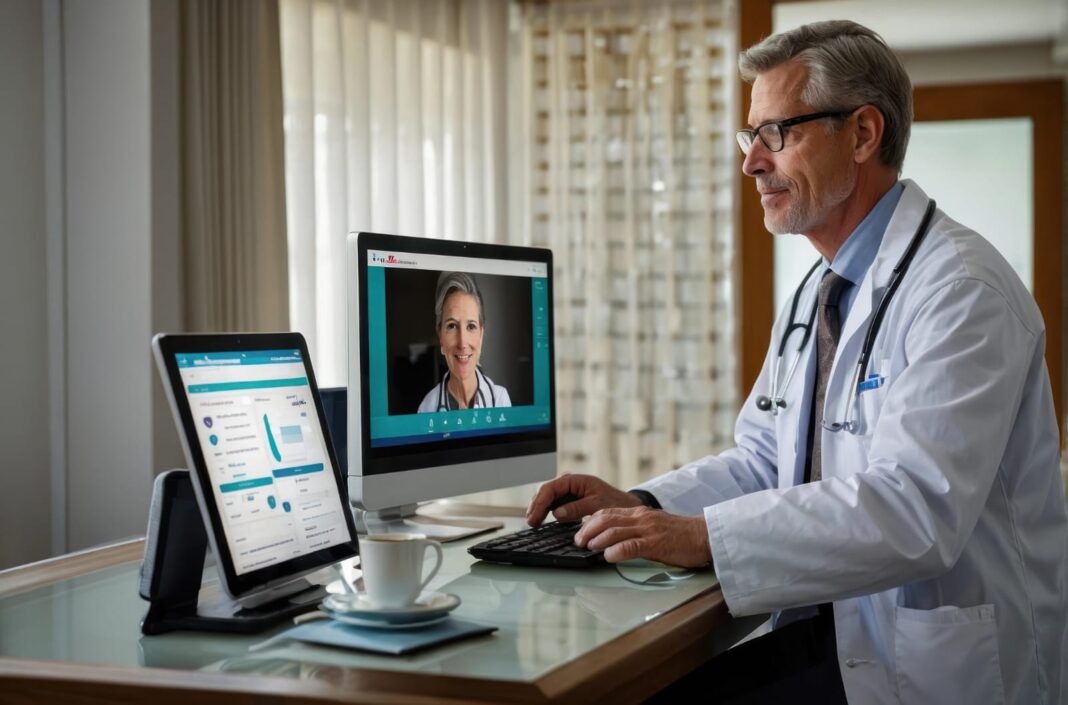
When you boil it down, a remote patient monitoring system is basically a bridge. It uses smart everyday gadgets like blood pressure cuffs, scales, and blood sugar monitors to securely beam your health data directly to your doctor’s office while you go about your day.
But here is the thing: as more hospitals and practices jump on the virtual care bandwagon, the market has become completely flooded with apps and software. Some feel like they were built by a team of software engineers who have never actually spoken to an actual patient or a busy nurse in their entire lives.
1. Smart Hardware and Dead-Simple Bluetooth Connectivity
We have to start with the physical tools themselves because if a patient can’t get the device to work, the entire system falls apart on day one. A great remote patient monitoring system must feature medical-grade devices that are incredibly easy for anyone to use, regardless of how tech-savvy they happen to be. We are talking about grandparents in their eighties who might still look at a smartphone like it is an alien puzzle box.
Cellular-Enabled and Cellular-Backed Devices
While Bluetooth gadgets that pair to a smartphone app are great, the absolute gold standard for accessibility is cellular connectivity. This indicates that the weight scale or blood pressure monitor contains a built-in cell chip. The gadget immediately transmits the data to the cloud when the patient unpacks it, hits a single button, and takes their reading. There are no Bluetooth pairing menus to become trapped on, no Wi-Fi passwords to enter, and no software upgrades to be concerned about. For older people or those who live in rural regions without reliable home internet, it simply works and eliminates a great deal of friction.
2. Real-Time Data Syncing and Smart Automated Alerts
Collecting health data is only half the battle; the real magic happens in what the system actually does with that data once it leaves the patient’s house. A premium RPM platform doesn’t just store numbers like an old digital spreadsheet. It synthesizes information on the fly and acts as a continuous safety net.
Instant, Automated Triage Filters
Physicians and nurses cannot spend their entire day staring at a screen watching thousands of individual blood pressure readings roll in. An effective system solves this by using smart background rules to filter the incoming data.
Preventing Alert Fatigue with Custom Thresholds
Every human body is unique. For an 80-year-old with severe hypertension, a blood pressure result that would indicate an emergency for a 30-year-old athlete could simply be a typical Tuesday morning. Clinicians will become “alert fatigued” and begin to ignore generic alerts if they are triggered for every slight modification. Each alert trigger can be customized by clinical teams with the best RPM software so that the alert really does mean an alert.
3. Seamless Electronic Health Record (EHR) Integration
Imagine being a doctor and having to log into five different separate software applications just to see a single person’s medical history, current prescriptions, and remote vitals. It is an absolute administrative nightmare. For a remote care program to truly thrive, it has to fit perfectly into the tools clinicians are already using every single day.
The Power of Single-Screen Workflows
When a provider can view a patient’s long-term lab trends, and the patient’s daily home heart rate trends, through a single interface, they can make more educated decisions about changing a patient’s medication or treatment plan without leaving their primary software workspace, and detect subtle changes in a patient’s health.
4. Bulletproof Security and Strict Regulatory Compliance
Because we are dealing with incredibly private, sensitive personal health information traveling through the airwaves, security can never be an afterthought. Patients need to know with absolute certainty that their personal data is safe, and healthcare systems need to avoid massive legal and financial liabilities.
HIPAA Compliance and Heavy-Duty Encryption
To comply with stringent HIPAA rules, any worth-its-salt RPM platform must be constructed from the ground up. This means that all medical information should be completely encrypted both on the device and when it passes over the internet, and when it is stored in the cloud. Access to the data must be highly restricted, so only authorized medical workers can view it.
5. Interactive Communication Tools and Educational Content
The most effective RPM programs don’t make the patient feel as though they are merely sending numbers into a void.
Built-In Two-Way Text and Video Messaging
A nurse shouldn’t have to spend limitless time playing phone tag in order to check in when they see a little, worrisome pattern in a patient’s daily stats. One-click video calls within the platform or safe, integrated text messaging are features of an efficient system. “Hey Sarah, noticed your weight is up two pounds today, are you experiencing any swelling in your ankles?” is a simple text that can detect a flare-up of heart failure days before it becomes an ER visit.
Bite-Sized, Personalized Patient Education
True health transformation happens when people actually understand their own bodies. Exceptional RPM platforms push out timely, easy-to-digest educational tips based on the data collected. If a patient is tracking their Type 2 diabetes, the app might send a short, friendly article about how simple dietary changes or low-impact morning walks can stabilize blood sugar levels. Education builds long-term autonomy and confidence.
Conclusion
Purchasing devices or gathering a lot of clinical data is not enough to create a good remote patient monitoring system. It does this by using reliable technology that sends smart alerts, makes it easy for doctors to manage patients and keeps communication lines open. This way remote patient monitoring helps make healthcare more proactive and preventative.It combines technology with intelligent data to make healthcare better.
When you find a solution that meets these needs, like Telihealth, you are helping to make a better, brighter future for patients and providers.
FAQs
1. What features make a remote patient monitoring system effective?
The most effective remote patient monitoring (RPM) system needs to be very easy to use and highly accurate for medical use. Key capabilities include integration with existing electronic health records (EHRs), real-time data updates with auto-triage notifications, and cell phone data transmission as well as two-way communication options such as text and video messaging.
2. Why is EHR integration important for remote patient monitoring software?
Because it enables patient data from home monitoring devices to effortlessly flow into their current clinical file, EHR integration is essential. Integration provides a single-screen process rather than requiring healthcare providers to enter into several separate apps. This lets physicians make quicker, more informed therapy changes, avoids clinical fatigue, and saves administrative time.