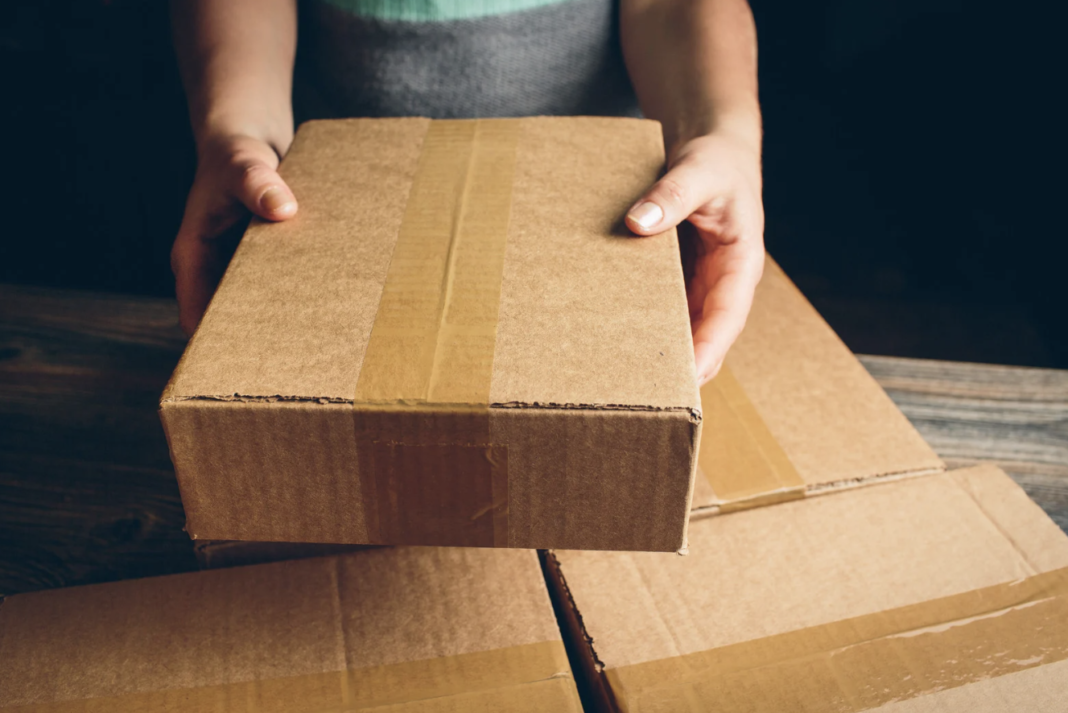
A custom mailer box is a rigid or semi-rigid shipping container manufactured to a specific size, print specification, and structural design for a particular product or brand. Custom mailer boxes differ from standard corrugated shipping boxes in that they are designed for direct-to-consumer delivery, typically without an outer shipper box, and they carry brand-facing graphics on the exterior.
Packaging serves as the first physical touchpoint between a brand and its customer in direct-to-consumer shipping. According to Retail Dive, 40% of consumers are more likely to make a repeat purchase from a brand that delivers orders in premium packaging. That number rises among buyers who share unboxing content on social media, making custom packaging a measurable factor in customer retention.
Mailer boxes are designed to protect products during shipping while also improving presentation when customers open the package. Businesses often compare box strength, sizing, print quality, and shipping efficiency before choosing a packaging style for e-commerce, retail, or subscription products.
Companies researching Custom Mailer Boxes Pueblo CO solutions are usually balancing durability, branding, fulfillment costs, and product protection at the same time.
How a Custom Mailer Box Differs from a Standard Shipping Box
A standard shipping box is a plain corrugated container manufactured to generic dimensions. It is designed for structural strength and cost efficiency, not for brand presentation. Standard boxes are typically shipped inside another outer box for protection.
A custom mailer box is engineered to ship as the outermost layer. The exterior carries printed brand graphics. The interior may include structural inserts, foam, tissue paper holders, or pull-tab closures. The box itself is the product presentation layer.
The key structural differences are:
- Custom mailer boxes use a self-locking closure or tuck-top design that eliminates the need for tape
- Wall thickness is calibrated to the product’s weight and fragility, not to a generic standard
- Print registration is designed for exterior visibility rather than interior labeling only
- Dimensional specifications match the product’s footprint, reducing void fill and excess material
Standard corrugated boxes ship in large quantities to warehouses and serve multiple product types. Custom mailer boxes are SKU-specific, meaning each box is manufactured for a defined product, reducing damage rates and improving presentation consistency.
Types of Custom Mailer Boxes
Custom mailer boxes fall into several structural categories, each suited to different product types and shipping conditions.
- Tuck-end mailer boxes use interlocking flaps to close without adhesive. They are common in apparel, accessories, and cosmetics. The tuck design allows easy opening and re-closure for returns.
- Snap-lock bottom mailer boxes use a pre-glued base that locks into place when assembled. The bottom provides greater structural rigidity than a tuck-end, making it better for heavier products like bottled goods, electronics, or tools.
- Magnetic closure boxes use embedded magnets in the lid to create a premium close. These are common in luxury retail, gift sets, and subscription boxes, where the closure quality is part of the brand experience.
- Rigid set-up boxes are non-folding boxes pre-assembled at the factory. They offer the highest structural strength and presentation quality, used for jewelry, watches, and high-end cosmetics.
- Corrugated mailer boxes use single-wall or double-wall corrugated construction for heavier products or those requiring greater crush resistance during shipping. These are common in food delivery, fragile goods, and industrial samples.
The choice of box type depends on product weight, fragility, price point, and the level of unboxing experience the brand wants to deliver.
Materials Used in Custom Mailer Boxes
Custom mailer boxes are manufactured from several base materials, each with distinct structural and print characteristics.
Corrugated board is the most common material for standard-to-mid-tier custom mailers. Single-wall corrugated (flute sizes B, C, and E) provides a balance of rigidity and printability. E-flute corrugated in particular offers a smooth exterior surface that accepts high-resolution print without the texture visible in larger flute sizes.
Rigid chipboard is used for non-folding setup boxes and magnetic closure boxes. Chipboard is a compressed paperboard with high density and no flute layer. It is heavier than corrugated and non-foldable, but it provides superior print quality and structural presence.
Kraft paperboard is used for eco-forward mailer boxes that use natural brown coloring with minimal print. Kraft mailers are common in food, personal care, and sustainability-focused brands that want the material itself to communicate environmental values.
Coated white paperboard (CUK or SBS) is used for high-color-accuracy print applications. It is the preferred substrate for four-color process printing and provides the brightest color reproduction of the common mailer materials.
Material selection also affects sustainability certification eligibility. FSC-certified corrugated and paperboard is available from manufacturers that maintain chain-of-custody certification, which allows brands to include certification claims on their packaging.
When Custom Mailer Boxes Make Sense for Your Product
Not every product requires a custom mailer box. Plain corrugated boxes with interior void fill handle many product types efficiently. Custom mailer boxes add cost per unit compared to standard cartons, and that cost needs to be weighed against the value delivered.
Custom mailer boxes are the right choice when:
- The product ships directly to end consumers without retail shelf placement
- The brand relies on the unboxing experience as a social sharing or retention driver
- The product has specific dimensional requirements that standard box sizes do not accommodate
- The packaging must eliminate or reduce secondary outer shipping containers
- The brand carries sustainability commitments that require certified material sourcing
For subscription box models, custom mailer boxes are effectively part of the product. Subscribers judge the service partly by the presentation quality of each shipment, and a well-designed custom mailer reinforces the brand value delivered inside.
How to Order Custom Mailer Boxes
Ordering custom mailer boxes from a manufacturer involves four main decision points: structural design, material specification, print specification, and minimum order quantity.
- Structural design: provide the product dimensions and weight, and the manufacturer will propose a box style and wall thickness suited to the application
- Material specification: choose the substrate based on print requirements, weight limits, and sustainability goals
- Print specification: provide artwork in vector format with defined bleed and safe zones; the manufacturer will provide a dieline template for layout
- Minimum order quantity: custom mailer boxes typically require a minimum run of 500 to 1,000 units for standard configurations, with higher minimums for specialty constructions like magnetic closures
Lead times for custom mailer boxes run from two to six weeks, depending on complexity and print method. Digital printing allows shorter runs with faster turnaround. Offset and flexographic printing produce lower per-unit cost at higher volumes but require longer setup time.
Working with a manufacturer that handles both structural engineering and print production under one operation reduces coordination errors and speeds approval timelines from first sample to production run.