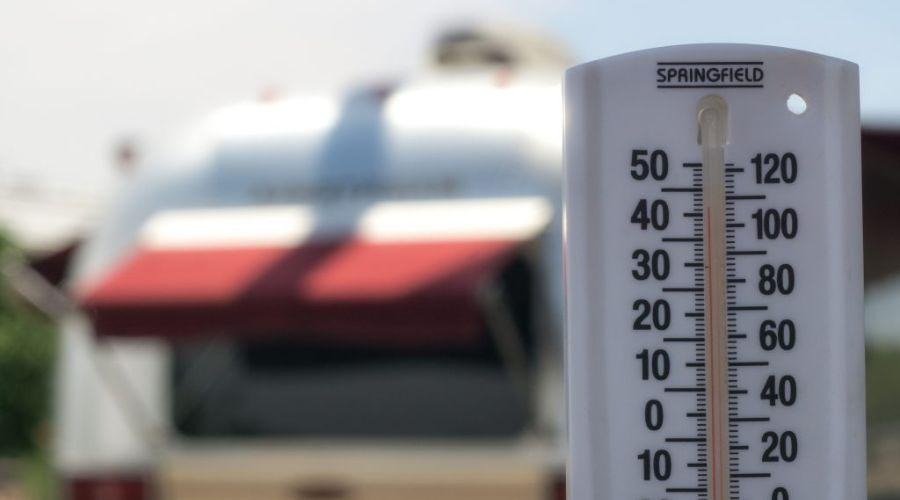
For many Airstream owners and enthusiasts, the allure of hitting the open road in sunshine and blue skies is irresistible. But while those long summer journeys create unforgettable memories, it is not the mileage that causes the most damage over time. In fact, prolonged exposure to summer heat can degrade an Airstream’s materials, finishes, and mechanical components far more quickly than miles traveled.
Understanding how heat affects your trailer is essential for protecting its value, performance, and longevity. Whether you are a seasonal traveler or a full‑time RVer, the summer sun poses specific threats that require proactive care. For personalized guidance on protecting your investment and selecting trailers built to handle extreme conditions, the best DFW Airstream dealers can provide expert advice and support.
In this article, we explore how summer heat impacts Airstream trailers, why those effects matter more than mileage, and the best strategies to mitigate heat‑related damage.
The Unique Appeal and Vulnerability of Airstream Trailers
Airstream trailers are unlike any other travel trailer on the road. Their iconic aluminum shell reflects sunshine and provides a lightweight yet strong structure. However, aluminum conducts heat more efficiently than other materials, meaning high temperatures can penetrate more deeply and affect internal systems.
Unlike other RVs with heavier insulation and different exterior materials, Airstreams are more susceptible to heat‑induced stress. This makes understanding the effects of summer conditions essential for maintaining both aesthetics and structural integrity.
Why Heat Matters More Than Miles
Although traveling adds wear and tear, it is often the environmental conditions at your destination and in between journeys that most rapidly diminish a trailer’s quality.
Heat affects Airstream trailers in several key ways:
Thermal Expansion and Contraction
All metals expand when heated and contract when cooled. With repeated cycles of intense summer heat followed by cooler nights, aluminum panels and structural components experience stress.
Over time:
- Riveted joints loosen
- Sealants break down
- Metal fatigue increases
These changes happen because the materials are repeatedly stretched and compressed, which accelerates deterioration more than slow mileage accumulation ever would.
Interior Climate Stress
High external temperatures affect the interior environment of a trailer, especially if cooling systems struggle to keep up. Persistent heat inside can cause:
- Upholstery fading and cracking
- Delamination of interior panels
- Drying out of wood cabinetry
- Premature wear on electronic systems
Interior components are not designed to withstand extreme heat without effective temperature regulation.
Seal and Adhesive Breakdown
Airstream construction relies on precision seals and adhesives to keep moisture out and structural integrity intact. Extreme heat accelerates the aging of these materials.
Heat can:
- Soften caulks and sealants
- Cause peeling around windows and doors
- Allow moisture intrusion
- Lead to water leaks and corrosion
Once moisture enters, heat fosters faster oxidation of metal parts.
How Solar Radiation Affects Exterior Finishes
Airstreams are famous for their silver exterior, but intense UV rays from the sun cause significant wear over time.
Fading and Oxidation
Even though aluminum does not rust like steel, it oxidizes when exposed to oxygen and heat. Sunlight accelerates this oxidation, causing the surface to become dull and chalky. Without regular cleaning and polishing, the exterior loses its mirror‑like appearance much faster than expected.
Surface Pitting
Prolonged exposure to ultraviolet radiation can cause tiny pits on the aluminum surface. These micro‑imperfections not only dull the finish but also create pockets where dirt and moisture accumulate, leading to further surface degradation.
Impact on Clearcoats and Treatments
If an Airstream is clear‑coated, the coating itself can break down under constant sun exposure. This results in:
- Uneven fading
- Surface cracking of the clearcoat
- Difficulty in restoring smoothness
Clearcoat deterioration can sometimes be mistaken for underlying aluminum damage, making early detection vital.
Heat Stress on Mechanical Systems
It is not just the exterior that suffers under high temperatures. Internal systems are also affected.
Air Conditioning Load
Heat forces air conditioning systems to run longer and work harder. This:
- Increases wear and tear
- Reduces system lifespan
- Raises energy consumption
An overworked AC leads to repairs or replacements sooner than expected.
Refrigeration and Appliances
Kitchen and bathroom appliances, including refrigerators, ovens, and water heaters, also feel the strain. High ambient temperatures reduce their efficiency and increase the frequency of maintenance issues.
Tires and Suspension
Hot asphalt and sun‑soaked highways heat up tires quickly. Prolonged exposure and heat cycling increase tire wear and may lead to premature failure. Suspension components also face more stress as heat affects rubber parts and lubrication.
Interior Aging and Decline
High temperatures inside the trailer accelerate aging of interior materials.
Upholstery and Fabrics
Leather, vinyl, and fabric surfaces fade, crack, or become brittle when repeatedly heated. Sunlight penetrating through windows without UV protection accelerates this process.
Cabinetry and Woodwork
Wood and composite materials expand and contract with heat, leading to:
- Splitting seams
- Warping panels
- Weakening joints
This is especially noticeable in trailers kept in direct sun for extended periods.
Electronics and Wiring
Extreme heat shortens the life of electronic components and wiring insulation. Systems that otherwise would last years may fail sooner under persistent high temperatures.
Why Heat Damage Comes Before Mileage Wear
Mileage adds wear slowly and predictably. Tires wear down, bearings need lubrication, and mechanical components age with use. Heat damage, by contrast, accelerates aging at the molecular and material level.
Heat impacts:
- Structural integrity
- Seals and weatherproofing
- Surface aesthetics
- Interior comfort and safety
All of these factors combine to reduce both performance and resale value faster than miles alone.
Strategies to Mitigate Heat Damage
The good news is that many of these issues can be prevented or slowed with proper care.
Shade and Covered Storage
Parking your Airstream in shade or under a cover when not in use significantly reduces direct sun exposure. UV rays and heat are less intense under shelter, prolonging finish and interior life.
Regular Washing and Waxing
Cleaning removes dirt and contaminants that trap heat and accelerate oxidation. Waxing and sealing the surface adds a layer of protection to reflect sunlight and reduce surface temperature.
Window Coverings and Insulation
Using reflective window covers and adding insulation reduces internal heat gain, keeping the interior cooler and reducing stress on appliances and AC systems.
Routine Inspections
Regularly check seals, rivets, and joint areas for early signs of heat‑induced loosening or wear. Addressing these issues early prevents more costly repairs later.
Professional Maintenance
Professional service providers, including the best DFW Airstream dealers, offer maintenance programs designed to monitor heat‑related wear, recommend updates, and perform thorough inspections that go beyond routine owner care.
Case Studies: Heat Versus Mileage
Owner Example 1
A full‑time traveler with an Airstream based in a northern climate saw minimal oxidation and interior wear even after 50,000 miles of travel. Most damage was related to mechanical wear rather than heat exposure.
Owner Example 2
Another owner living in a desert region experienced dull exterior finish, cracked seals, and weakened interior materials within five years despite traveling less than 10,000 miles. Heat exposure was the primary factor.
These real‑life examples illustrate how much summer heat influences long‑term condition compared to mileage.
The Impact on Resale Value
Airstream trailers with faded finishes, oxidized panels, heat‑damaged interiors, or compromised seals lose value faster than those kept in moderate climates. Prospective buyers often factor in the cost of cosmetic restoration and interior repair, which affects pricing and market interest.
Proper heat mitigation strategies help preserve value and make trailers more appealing to buyers.
Final Thoughts
Summer heat is a silent destroyer of Airstream value. It affects exterior finishes, structural seals, mechanical systems, and interior materials in ways that accumulate faster than mileage alone. Understanding the impact of heat and taking proactive steps to minimize its effects is essential for every Airstream owner.
Whether your trailer is used seasonally or year‑round, protecting it from prolonged sun exposure extends its life, maintains its iconic appearance, and safeguards resale value. For expert advice on selecting and maintaining Airstream trailers designed to withstand heat exposure, turn to the best DFW Airstream dealers, who can guide you in choosing models, accessories, and maintenance routines tailored to your lifestyle and climate conditions.