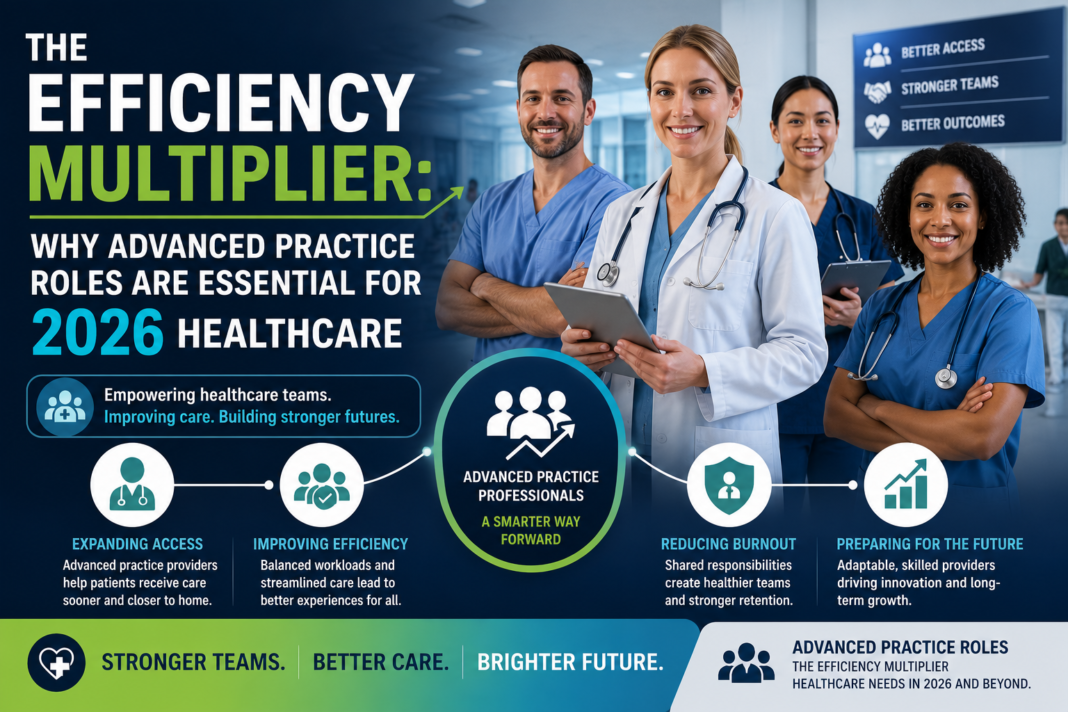
Healthcare organizations continue to face ever-growing demands. An aging population, ongoing workforce shortages, and increasing patient needs have placed extra pressure on hospitals, clinics, and other medical facilities. To keep providing quality care while improving efficiency, many organizations are increasingly turning to advanced practice professionals. These skilled providers help healthcare teams deliver timely, effective care while supporting physicians and improving patient outcomes.
As healthcare leaders look for dependable medical staffing solutions, advanced practice professionals have become an important part of the answer. Nurse practitioners, physician assistants, certified registered nurse anesthetists, and other advanced practice providers help fill critical staffing gaps and maintain high standards of patient care. Their growing roles allow healthcare facilities to serve more patients without sacrificing quality.
Meeting Growing Patient Demand
The demand for healthcare services continues to rise each year. More people are living longer, and many require ongoing treatment for chronic conditions such as diabetes, heart disease, and arthritis. At the same time, many experienced physicians are retiring or leaving the medical field for other endeavors, and that’s creating additional staffing challenges.
Advanced practice professionals help healthcare systems keep pace with those changes. They can perform many essential healthcare services, including diagnosing illnesses, developing treatment plans, prescribing medications in many states, and educating patients about their health. Their expertise allows patients to receive care sooner, which reduces delays and improves access to medical services.
Improving Healthcare Teams’ Efficiency
Healthcare works best when every member of a care team contributes their skills. Advanced practice providers help create balanced workloads by handling many routine and complex patient needs that might otherwise overwhelm physicians. This teamwork allows physicians to focus on highly specialized cases while advanced practice professionals manage follow-up appointments, preventive care, chronic disease management, and other everyday medical concerns.
As a result, practices often experience smoother workflows, shorter wait times, and greater overall efficiency when they include advanced practice professionals in their teams. Patients also get the advantage of spending more time with providers who can answer questions, explain treatment options, and offer personalized guidance. Everyone benefits.
Supporting Rural and Underserved Communities
Many communities struggle to attract enough healthcare professionals. Rural hospitals and clinics often have difficulty recruiting physicians. That makes it harder for residents to receive timely care close to home.
Advanced practice professionals help bridge this gap by providing primary care and other medical services in areas with limited healthcare access. Their presence allows patients to receive routine checkups, manage chronic illnesses, and seek other types of treatments without having to travel long distances. Expanding these roles helps improve access to healthcare while also strengthening local medical systems that serve underserved populations.
Reducing Burnout Among Healthcare Professionals
Burnout is a serious concern in the healthcare industry. Heavy patient loads, long hours, and administrative responsibilities can lead to stress and fatigue for physicians and other medical staff members. By sharing responsibilities, advanced practice professionals help reduce some of that pressure.
Better distribution of patient care tasks creates healthier work environments. It allows providers to focus on delivering excellent care rather than constantly managing overwhelming workloads. Lower rates of burnout often lead to higher employee satisfaction, better staff retention, and more consistent patient care over time.
Preparing for the Future of Healthcare
Healthcare will continue evolving as technology advances and patients’ needs change. Organizations that build flexible care teams today will be better prepared to meet tomorrow’s challenges. Advanced practice professionals bring valuable knowledge, clinical expertise, and adaptability to healthcare settings of every size.
Whether they’re working in primary care, emergency medicine, surgery, specialty practices, or hospital systems, they help organizations deliver efficient, patient-centered care while supporting long-term growth. As healthcare enters 2026 and beyond, advanced practice roles will remain an essential part of building stronger, more resilient healthcare systems. Their ability to expand access, improve teamwork, reduce provider strain, and enhance patient experiences makes them a true efficiency multiplier for modern healthcare organizations.