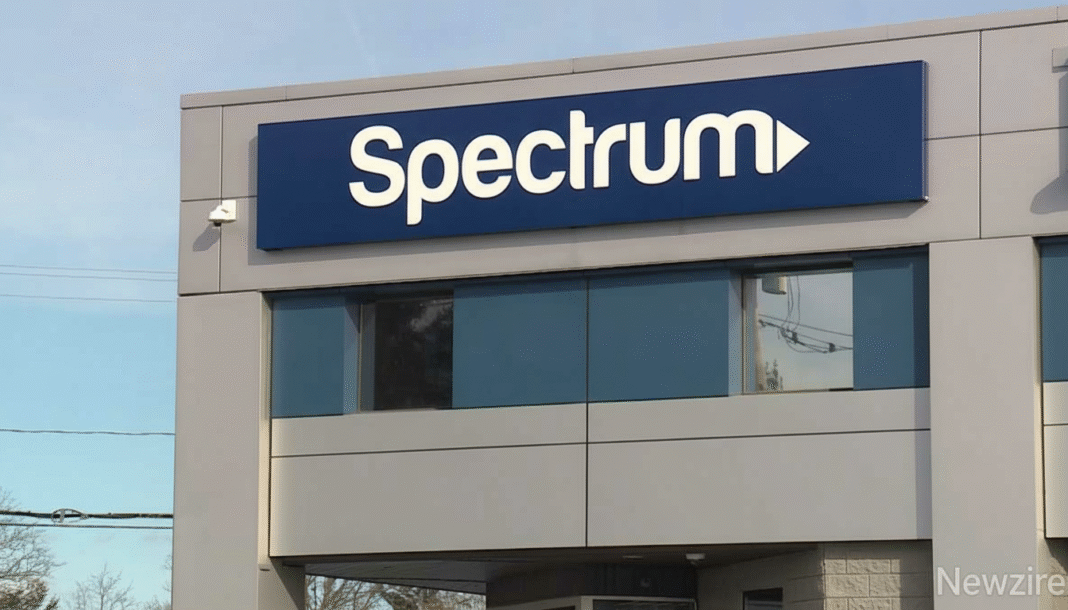
Maine State Representative Chris Kessler is warning Spectrum customers to check their bills after discovering he was overcharged for internet service he cancelled. His experience exposed potential violations of a 2024 consumer protection law that requires companies to prorate final charges.
Kessler cancelled his Spectrum internet on August 6, 2025 and received a bill for $80 covering an entire monthly cycle despite using the service for just one day. Kessler, who helped pass the proration statute, saw Spectrum only correct the overcharge after he cited the law in his complaint.
Table of Contents
Lawmaker Discovers Billing Violations Firsthand
Kessler disconnected his internet service on the second day of his billing cycle. His final statement showed charges for the complete 30-day period rather than the single day he’d used the connection.
His customer service rep told him the charge was correct when he called to dispute it. Spectrum bills monthly, not daily, the rep explained.
Kessler cited Maine’s LD 1932 statute before Spectrum credited $68.55 to his account, according to state legislative records. “If this can happen to a legislator who literally helped pass the law, imagine how many customers might have unknowingly overpaid over the past year,” Kessler told Maine broadcasters.
The South Portland representative is urging all Maine residents who cancelled Spectrum service in 2024 or 2025 to examine their final bills for incorrect charges.
What Maine Law Requires
Maine’s Legislature passed LD 1932 in February 2024, making it illegal for internet providers to charge customers for full months when service stops partway through a billing cycle.
The statute mandates:
- Prorated refunds when customers cancel 3 or more working days before their billing cycle ends
- Credits for outages lasting 6 consecutive hours or longer
- Written notice of these rights printed on every monthly bill
- Customers must request outage credits within 60 days of the affected billing period
LD 1932 extended cable television protections from a 2020 statute to cover internet services. Spectrum and parent company Charter Communications challenged both laws in federal court, losing at the district level, appeals court, and in a petition to the US Supreme Court in 2023.
Company Claims Compliance, Evidence Shows Otherwise
A Spectrum spokesperson responded to the August incident by stating Spectrum follows Maine law. “Spectrum is following Maine law LD 1932. The bill proration process is automated, helping to eliminate error when processing an account change.”
Chat transcripts from Kessler’s customer support interaction contradict this claim. Spectrum’s automated system charged him for unused access. Staff manually corrected the charge only after he cited the statute.
This suggests Spectrum’s billing software doesn’t properly implement state requirements or customer service staff don’t understand the company’s legal obligations.
A Six Year Pattern
This marks the second time Spectrum has violated billing proration laws in Maine.
Between September 2020 and January 2022, Spectrum failed to prorate cable television bills as required by the 2022 law. The Maine Attorney General’s office intervened and secured refunds for affected customers.
Proration laws originated after a 2019 investigation by WGME’s I-Team. Hundreds of customers contacted the station after discovering they were being charged for full months of cable they’d cancelled mid-cycle.
Maine’s Attorney General received 23 formal complaints about the billing practice change in 2019. The Better Business Bureau reported more than 14,000 complaints nationwide about Spectrum and Charter Communications over a three-year period, with more than 5,000 specifically about billing and collections.
Charter Communications argued that reconfiguring its billing systems to comply with state law would cost “hundreds of thousands of dollars.” Charter also claimed that because other subscription services don’t offer mid-cycle refunds, cable and internet providers shouldn’t have to either.
State courts rejected these arguments. Attorney General Aaron Frey stated: “Just as it would be unacceptable for a restaurant to charge for undelivered food or Amazon to charge for an undelivered package, large cable companies should not be permitted to charge for cable that is not provided.”
What Affected Customers Should Do
Anyone who ended their internet service in Maine between February 2024 and November 2025 should verify their final bill for accuracy.
To check for overcharges:
- Locate your service disconnection date on the final statement
- Calculate the number of days in the billing cycle you actually used
- Compare this to the charges shown on your bill
- If billed for the full month, contact Spectrum customer service immediately
When calling, reference Maine statute LD 1932 by name. Keep detailed records of all conversations, including dates, times, and representative names. Save chat transcripts if using online support.
If Spectrum refuses to correct an overcharge, file a complaint with the Maine Attorney General’s Consumer Protection Division. This office handles consumer disputes with telecommunications companies and can be reached at (207) 626-8849.
Kessler emphasized that when multiple customers report the same billing violation, regulators can take enforcement action, as the Attorney General did after securing refunds for the 2020-2022 cable violations.
Why Individual Action Matters
Proration laws in Maine require customers to identify billing errors and request corrections. These statutes don’t mandate automatic refunds for everyone who cancels mid-cycle, and customers must actively request credits for outages within 60 days. Those cable TV billing violations only came to light after consumers contacted media outlets and filed formal complaints with state regulators. Without that collective action, the company might have continued the practice indefinitely.
In 2019, Public Advocate Barry Hobbins said his office lacks enforcement authority over cable and internet providers. He urged the legislature and attorney general to investigate billing complaints. This enforcement structure disadvantages customers who don’t know their rights or lack time to challenge Spectrum’s billing procedures.
Three Months Later, No Public Enforcement
As of November 2025, the state’s Attorney General has not publicly announced any formal investigations or enforcement actions against Spectrum for violations of the internet proration law. Three months after the representative’s case, no additional overcharge cases have appeared in public news reports.
Individual customers must identify overcharges and pursue refunds by calling Spectrum or filing with Maine’s Attorney General. Without centralized enforcement, there’s no public accounting of how many Maine residents have been incorrectly billed since LD 1932 took effect in February 2024.
His case demonstrates that even customers who know the law must make multiple attempts and cite specific statutes to get companies to comply with state requirements.
Maine residents who believe they’ve been overcharged for internet service should contact the Attorney General’s Consumer Protection Division at (207) 626-8849 to file formal complaints. Customer complaints previously forced Spectrum to provide refunds for 2020-2022 cable violations, demonstrating that collective action produces enforcement results.