Building a reliable live stream takes more than a single camera and a laptop. Production teams that deliver consistent, professional broadcasts rely on a specific set of tools working together, from image capture through to final delivery. Understanding which equipment matters most can make the difference between a polished production and a stream plagued by dropped frames, muddy audio, or awkward lighting.
Encoding hardware sits at the center of any serious setup, since it converts raw video and audio into a format that platforms can actually distribute. Teams weighing their options should consult a guide before committing to a purchase, since the right device depends heavily on resolution needs, input count, and budget. A good starting point is this hardware encoder guide, which breaks down the tradeoffs between dedicated hardware units and software-based alternatives.
Choosing The Right Camera For Live Production
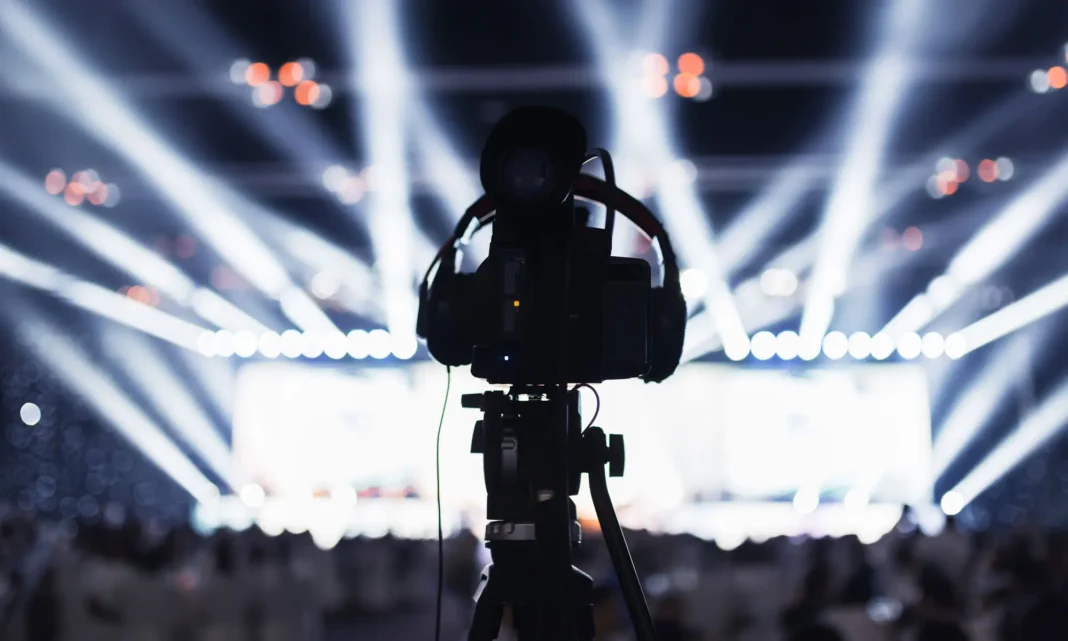
Camera selection shapes everything downstream. Broadcast quality productions typically favor PTZ cameras or dedicated camcorders over consumer webcams, since they offer better low-light performance, optical zoom, and manual control over exposure and focus. Multi-camera setups also require attention to matching color profiles across devices, so switching between angles does not create jarring visual shifts for viewers.
Audio Equipment That Elevates Every Stream
Poor audio ruins a stream faster than shaky video. A quality XLR microphone paired with an audio interface or mixer gives far more control than built-in laptop microphones, allowing gain staging, noise reduction, and multiple input management. Wireless lavalier systems are worth considering for interviews or presentations where mobility matters, though frequency interference should be tested ahead of any live event.
Encoding And Streaming Hardware Essentials
Beyond the initial encoder, production teams often add capture cards to bring external camera feeds into a computer for switching and graphics overlay. A dedicated switcher, whether hardware-based or software-driven, allows smooth transitions between camera angles, slides, and pre-recorded clips. Redundant internet connections, often through bonded cellular or dual ISP setups, protect against the single point of failure that a dropped connection represents.
Lighting And Set Considerations
Lighting is frequently underestimated, yet it has an outsized effect on perceived production value. Softbox lights or LED panels with adjustable color temperature allow teams to match lighting to different environments and times of day. Background choices, whether a physical set or a virtual backdrop, should be tested under the same lighting conditions planned for the actual broadcast.
Network And Connectivity Reliability
Streaming quality depends heavily on upload bandwidth and network stability. Teams operating in venues with unreliable Wi-Fi often turn to wired Ethernet connections or bonded cellular devices to maintain a stable feed, since even brief interruptions can disrupt viewer experience significantly.
Monitoring And Backup Systems
Confidence monitors let operators verify what is actually being broadcast, catching issues before viewers notice them. Waveform monitors and audio meters provide objective readings that supplement what the eye and ear can perceive alone. International standards bodies such as the ITU publish technical recommendations on broadcast signal quality that inform much of the equipment built for professional production environments. Backup recording, whether local or cloud-based, ensures footage survives even if a live stream itself fails.
Putting together a dependable live streaming setup means treating cameras, audio, encoding, lighting, and network infrastructure as interconnected parts of one system rather than isolated purchases. Teams that invest time in testing each component together, well before a live event begins, tend to avoid the most common and costly failures. A methodical approach to equipment selection pays off in smoother broadcasts and fewer technical surprises down the line.