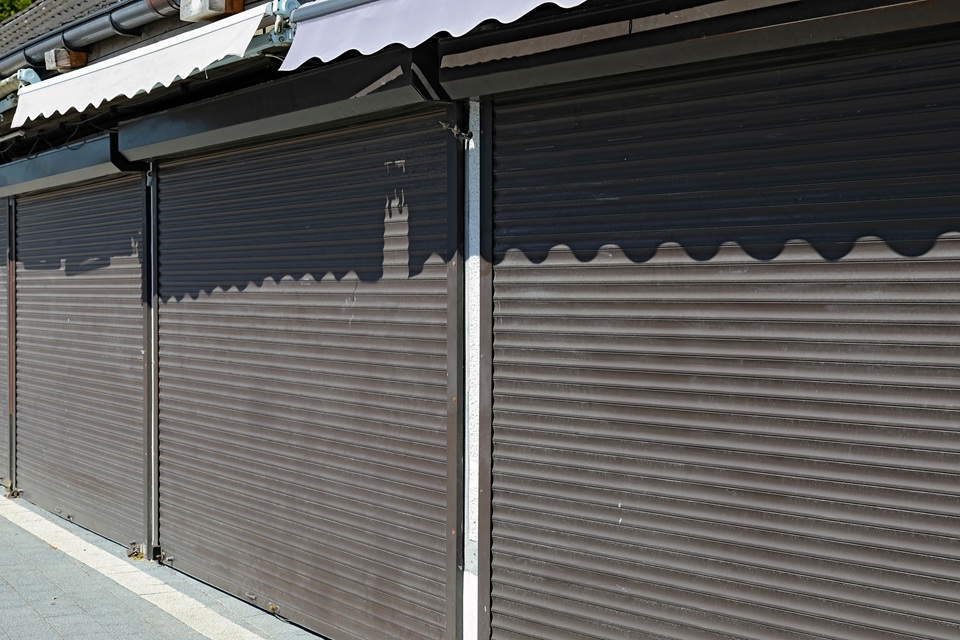
A shopfront roller shutter in Sydney needs to protect the premises without making everyday opening, closing and customer access unnecessarily difficult. The right shopfront roller shutter should suit the opening, required visibility, frequency of operation and conditions around the building.
Choosing on price alone can result in a system that is difficult to operate, costly to maintain or poorly suited to the premises. Compare construction, operation, installation requirements and support before deciding.
Start With the Way Your Business Operates
The most suitable shutter depends on what happens at the premises each day.
A retail store may want merchandise to remain visible after closing, while a pharmacy, warehouse or storage facility may prioritise privacy and a solid barrier.
Consider how often the shutter will operate. A system used once in the morning and once at night has different demands from one opened and closed several times during the day. Frequent operation can affect the choice of curtain, motor, controls and maintenance schedule.
Choose the Right Balance of Security and Visibility
Commercial shutters are available in several curtain styles, each providing a different balance between security, privacy, airflow and display visibility.
Solid aluminium shutters restrict the view into the premises and may suit businesses that want stock concealed after hours. Perforated or slotted shutters allow partial visibility and ventilation while maintaining a barrier across the frontage.
Clear polycarbonate shutters are commonly used where visibility remains important. They allow people to see into a shop while the entrance remains closed. Commercial ranges may also combine polycarbonate panels with aluminium sections or use perforated, slotted and solid slats in different configurations.
Assess the Opening and Building Conditions
A shutter must be designed around the actual opening rather than selected only from a product description.
Measurements are needed for the clear opening, guide positions, available headroom and space for the shutter roll or pelmet. The installer should also assess the supporting structure and identify where the guides, brackets and motor can be fixed.
Limited headroom may require a compact system. Wide openings may need heavier components, additional engineering or a different curtain design. Commercial shutters can be manufactured for internal or external installation and for shopfronts, warehouses and wide-span openings, but the correct configuration depends on the site.
External shutters may be exposed to rain, wind, dirt and coastal air. Sydney businesses near the coast should ask whether the proposed materials, finishes and maintenance schedule are suitable for those conditions.
Decide Between Manual and Motorised Operation
Manual operation can be practical for smaller, lighter shutters used infrequently. Larger openings or shutters operated several times a day will generally be easier to manage with a suitable motorised system.
Ask how the shutter will be controlled. Options may include a wall switch, key switch or remote control. Controls should allow the operator to observe the opening and check that people, stock and equipment are clear before movement begins.
For powered systems, ask what happens during a power failure. Depending on the design, a manual override or backup arrangement may be available. Staff should understand the procedure before an outage occurs.
Consider Safety as Part of the Specification
A roller shutter is moving plant within a workplace and should be selected, installed and maintained with safe operation in mind.
SafeWork NSW advises businesses purchasing plant to consider operating instructions, worker training and the inspection, testing and maintenance required for continued safe use. Its guidance also emphasises identifying hazards and controlling risks throughout the equipment’s working life.
Ask what safety devices are appropriate. Depending on the system, these may include safety edges, photoelectric sensors, controlled switches or emergency procedures.
Employees should not clear obstructions, clean moving components or carry out repairs while the shutter can operate. Isolation and service instructions should be available to responsible staff.
Check Approvals and Building Requirements
Installation requirements can vary according to the building, tenancy and location.
A shopping centre may have standards covering finishes, visibility and controls. Strata approval may be required where the shutter affects common property, the façade or shared services. Heritage controls, landlord approval or local planning requirements may also apply.
The National Construction Code sets minimum performance requirements for commercial and industrial building work. Requirements can depend on the building classification, shutter position and whether the installation affects an entrance, exit, fire safety system or conditioned space.
The installer should identify approvals or supporting information required before manufacture begins. Building management, the landlord, a certifier or the local council may need to be consulted.
Compare the Complete Quotation
Two quotations may appear similar while including different motors, curtain materials, controls, finishes or service arrangements.
Request a written proposal identifying:
- Shutter type and material
- Operating system and controls
- Guide, pelmet and finish details
- Installation and electrical inclusions
- Safety features and warranty coverage
- Recommended servicing
- Exclusions and possible additional costs
Ask whether access equipment, removal of the existing shutter, disposal and repairs to surrounding finishes are included. Replacement-part availability also matters. A lower initial price may provide limited value if compatible motors or controls are difficult to obtain later.
Plan for Inspection and Maintenance
Routine inspection helps identify wear, misalignment, unusual noise and damage before the shutter stops operating.
SafeWork NSW advises that inspection and maintenance intervals should consider equipment use and the manufacturer’s recommendations. Records should be kept where appropriate, particularly when defects or repairs are identified.
Staff can support day-to-day care by keeping guides clear, reporting changes in movement and avoiding impacts from stock or trolleys. Technical repairs and adjustments should be completed by appropriately trained personnel.
Ask whether scheduled servicing is available and how quickly assistance can be provided when a shutter cannot open or close. A breakdown may affect both security and the ability to trade.
Choose for Long-Term Business Use
Selecting a shopfront roller shutter in Sydney requires more than finding a curtain that covers the opening. The system needs to support daily operations, suit the building and provide the required balance of security, visibility and convenience.
Begin with a clear assessment of the premises and expected use. Compare construction types, operating methods, safety features, installation requirements and after-sales support before focusing on price.
A well-specified shutter should operate reliably, fit naturally into the shopfront and remain practical to inspect and maintain. Taking a whole-of-life approach helps businesses invest in dependable security without creating unnecessary operational problems.