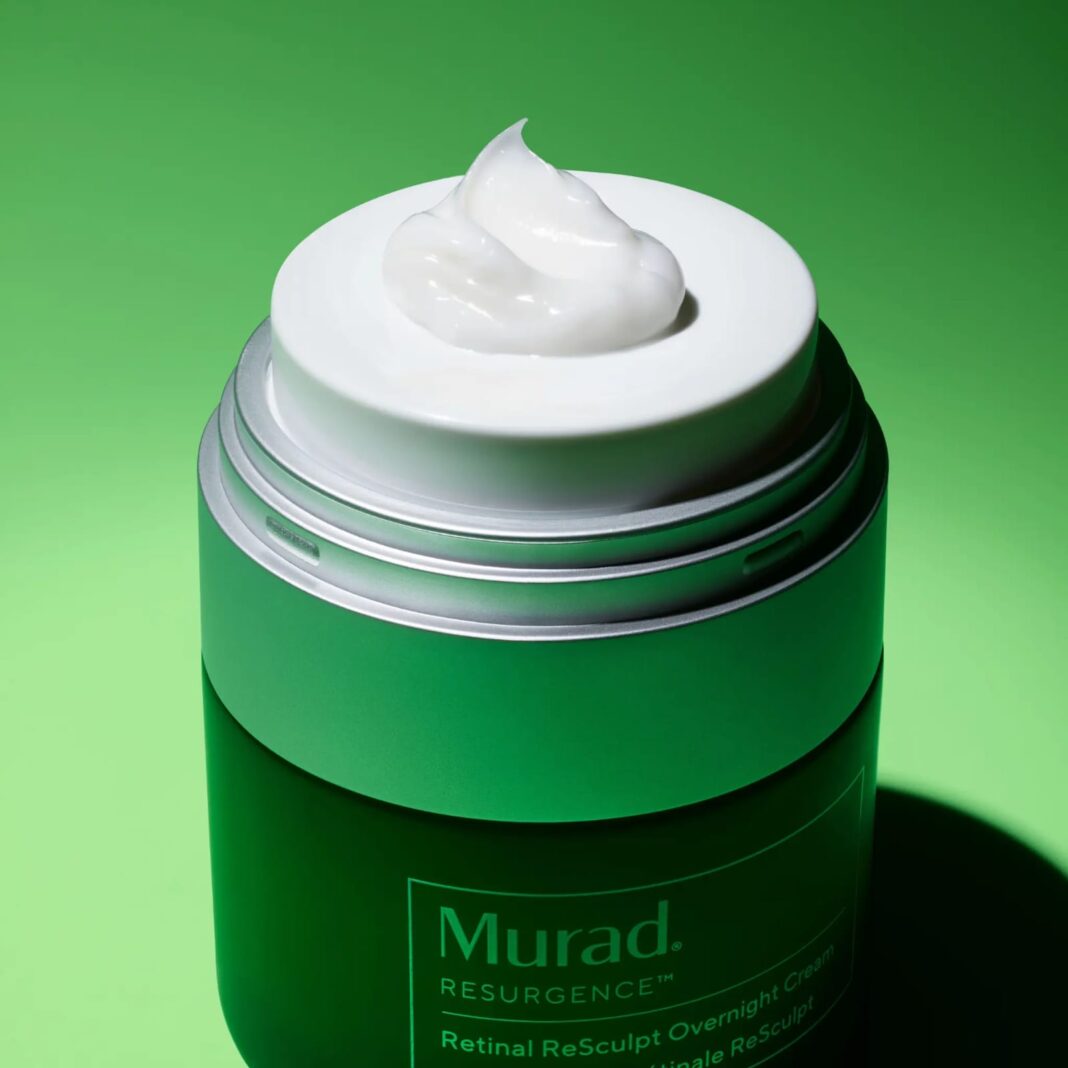
Retinal can be highly effective for sensitive skin when introduced gradually, used correctly, and supported with a simple skincare routine. Rather than applying it every night from the beginning, the best approach is to allow your skin time to adjust while maintaining consistent long-term use.
Retinal, also known as retinaldehyde, is a vitamin A derivative used to improve the appearance of fine lines, uneven skin tone, dullness and loss of firmness. Because it converts to retinoic acid more efficiently than retinol, it can deliver results sooner while still being suitable for many people with sensitive skin when used appropriately.
If you’re following a retinal sensitive skin guide, the goal isn’t to use the strongest routine possible. It’s to build a routine your skin can comfortably tolerate over time.
Start With a Simple Routine
When introducing retinal, keeping the rest of your skincare routine simple often helps minimise irritation.
A beginner-friendly routine may include:
- A gentle cleanser.
- Retinal on alternate nights.
- A hydrating moisturiser.
- Broad-spectrum SPF50 or SPF50+ sunscreen every morning.
Once your skin has adjusted, you can gradually increase how often you apply retinal if needed.
Retinal Works Faster Than Retinol
Retinol and retinal are both vitamin A derivatives, but they convert to the active form, retinoic acid, at different rates.
Retinal requires one fewer conversion step than retinol, allowing it to work more efficiently within the skin. This increased activity helps stimulate skin renewal, improve texture and support collagen production.
According to DermNet NZ, topical retinoids commonly cause temporary dryness, redness and peeling during the early stages of use. These effects occur because the skin is adjusting to increased cell turnover rather than because the product is unsuitable.
Understanding this process helps explain why introducing retinal gradually is particularly important for sensitive skin.
Introduce Retinal Gradually
One of the biggest mistakes people make is applying retinal every night from the beginning.
Sensitive skin generally responds better to a gradual introduction, giving the skin barrier time to adapt before increasing frequency.
Many people begin by applying retinal every second or third night before slowly increasing use depending on how their skin responds. Previous experience with retinoids, overall skin sensitivity and the condition of the skin barrier can all influence how quickly this process occurs.
If your skin remains comfortable after several weeks, you may be able to increase application frequency gradually.
Apply Retinal at Night After Cleansing
Retinal is generally used as part of an evening skincare routine.
After cleansing, allow the skin to dry completely before applying the product. Damp skin can increase absorption, which may make irritation more likely for people with sensitive skin.
A pea-sized amount is usually sufficient for the entire face. Applying more product will not improve results and is more likely to increase dryness or discomfort.
Apply small amounts to the forehead, cheeks and chin before gently spreading the product evenly across the face. Areas around the eyes, nostrils and lips are often more prone to dryness, so these areas may require extra care.
Consistent application is far more important than using larger amounts. Retinal works through regular long-term use rather than heavy application.
Moisturiser Helps Protect the Skin Barrier
Supporting the skin barrier is one of the easiest ways to improve comfort while using retinal.
Moisturisers containing ingredients such as:
- Ceramides.
- Glycerin.
- Hyaluronic acid.
- Squalane.
can help maintain hydration and reduce moisture loss while the skin adapts.
Some people also find the “sandwich method” helpful. This involves applying moisturiser before retinal and then applying another layer afterwards. The additional hydration can reduce dryness while still allowing retinal to work effectively.
Keeping the skin well moisturised throughout the adjustment period may help minimise flaking and tightness.
Recovery Nights Can Improve Comfort
Using retinal every night isn’t necessary when first starting.
Alternating retinal nights with recovery nights allows the skin time to recover while maintaining a consistent routine.
On recovery nights, keep the routine simple by focusing on:
- Gentle cleansing.
- Hydrating serums if already well tolerated.
- Moisturiser.
- Barrier-supporting skincare.
This approach is particularly helpful if you notice mild dryness, tightness or flaking during the first few weeks.
Avoid Using Too Many Active Ingredients
Using several active ingredients together can overwhelm sensitive skin.
When introducing retinal, it’s often best to avoid combining it with strong exfoliating acids, physical scrubs or high-strength blemish treatments until your skin has adjusted.
Adding products one at a time also makes it easier to identify which ingredient may be responsible if irritation develops.
Once retinal is well tolerated, additional active ingredients can usually be introduced gradually where appropriate.
Daily Sunscreen Is Essential
Vitamin A products can increase the skin’s sensitivity to sunlight, making daily sun protection an important part of any retinal routine.
Cancer Council Australia recommends using a broad-spectrum SPF50 or SPF50+ sunscreen as part of a comprehensive sun protection routine.
Sunscreen should be worn every day, even if retinal is only applied at night. Australia’s high UV levels mean daily protection helps reduce UV damage while supporting the improvements achieved through regular retinal use.
Consistent sunscreen use may also help reduce uneven pigmentation and support healthier-looking skin over time.
Know When to Slow Down
Some dryness and light flaking are common while the skin adjusts.
However, strong burning, painful redness, swelling or ongoing peeling may indicate that the routine is too intensive.
If this occurs, stop using retinal temporarily and focus on gentle cleansing and moisturising until the skin barrier has recovered.
People with eczema, rosacea, a compromised skin barrier or pregnancy-related skincare concerns should seek professional advice before introducing vitamin A products.
Listening to your skin during the adjustment period is often the best way to prevent unnecessary irritation.
Consistency Produces the Best Results
Retinal is designed to deliver gradual improvements rather than overnight changes.
Visible improvements in skin texture, tone and overall appearance typically develop through regular use over weeks and months. Everyone’s skin adapts at a different pace. Some people may comfortably progress to nightly application, while others continue using retinal every second or third night with excellent results.
The most effective retinal sensitive skin routine is one that remains comfortable enough to follow consistently. By introducing retinal gradually, supporting the skin barrier with moisturiser and wearing sunscreen every day, sensitive skin users can enjoy the long-term benefits of retinal while minimising irritation.