Cycling has become an essential part of modern life. Some people rely on their bicycles for the daily commute to work, while others ride to improve fitness, explore scenic routes, or simply enjoy time outdoors. As more people embrace cycling in 2026, the focus is shifting beyond lightweight bikes and premium components toward equipment that genuinely improves every ride. One upgrade that consistently proves its value is a dependable bike front light.
Many riders associate front lights with nighttime cycling alone, but their purpose extends far beyond riding after dark. A quality lighting system improves visibility in changing weather, increases confidence on unfamiliar roads, and helps cyclists anticipate hazards before they become dangerous. Whether you’re leaving home before sunrise, passing through tree-lined trails, or returning after sunset, reliable illumination allows every journey to feel safer and more controlled.
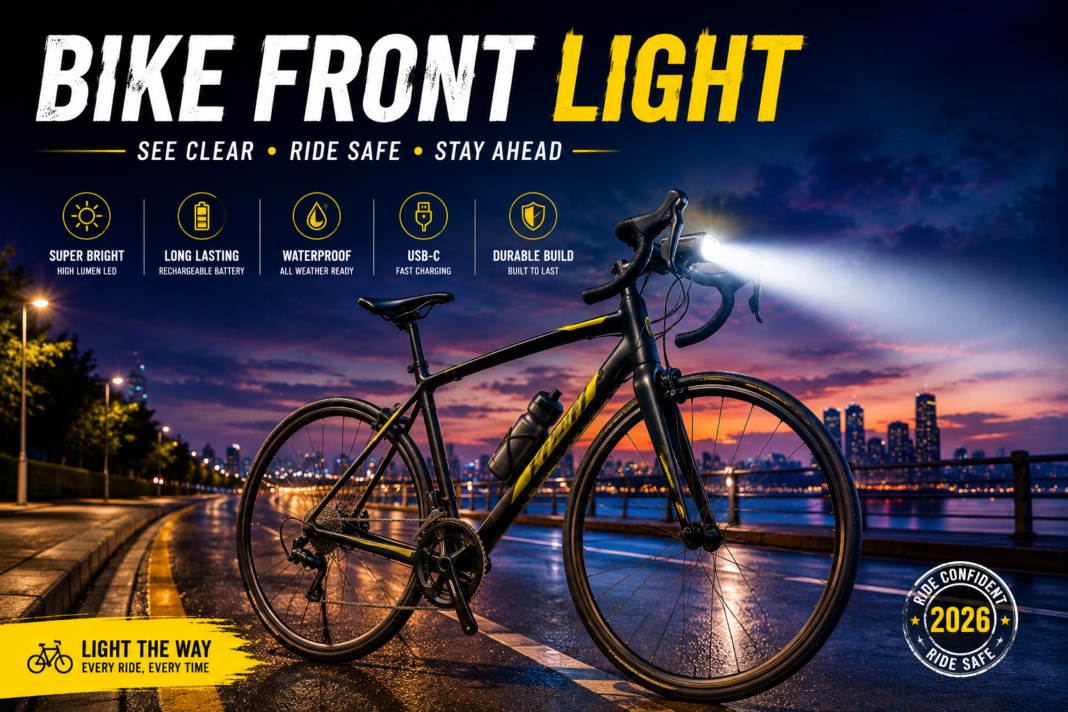
Modern lighting technology has evolved dramatically over the past few years. High-efficiency LEDs, precision optics, long-lasting rechargeable batteries, and weather-resistant construction have transformed bicycle lights into advanced safety tools. Instead of serving as simple accessories, premium front lights have become essential equipment for riders who value both performance and peace of mind.
Every Ride Begins Long Before the Sun Sets
Many cyclists believe front lights are only necessary once daylight disappears. In reality, riders encounter reduced visibility throughout the day far more often than expected.
Morning commuters frequently begin their journeys before sunrise. Afternoon rides may continue into dusk, while cloudy weather, tunnels, shaded streets, heavy rain, and dense fog can all reduce visibility regardless of the time.
Using a reliable front light during these conditions helps riders maintain better awareness while making bicycles easier for motorists and pedestrians to notice. Improved visibility benefits everyone sharing the road.
Seeing Earlier Means Reacting Smarter
Cycling requires constant decision-making.
Every few seconds, riders evaluate approaching intersections, changing traffic, road markings, loose gravel, potholes, parked vehicles, and unexpected obstacles. The earlier these hazards become visible, the more time cyclists have to respond safely.
A premium lighting system distributes light evenly across the road instead of creating an overly narrow beam. This wider field of illumination allows cyclists to recognize surface changes sooner, maintain smoother steering, and avoid sudden braking that can disrupt balance.
Better visibility naturally leads to better riding decisions.
Confidence Makes Every Journey More Enjoyable
Equipment has a direct impact on rider confidence.
Cyclists who trust their lighting are more relaxed when navigating unfamiliar roads or changing weather conditions. Instead of worrying about hidden hazards, they can focus on maintaining speed, choosing efficient riding lines, and remaining aware of surrounding traffic.
That confidence often translates into smoother handling, improved concentration, and a more enjoyable riding experience from beginning to end.
Modern Lighting Is Built for Real Riding Conditions
Cycling equipment experiences far more stress than many people realize.
Road vibration, rain, dust, mud, temperature changes, and occasional impacts all place continuous demands on bicycle accessories. Quality front lights are engineered to maintain dependable performance despite these challenges.
Many modern designs feature:
- Precision LED technology
- Durable aluminum construction
- Waterproof sealing
- USB-C rechargeable batteries
- Multiple brightness levels
- Secure vibration-resistant mounting systems
- Efficient heat management
- Lightweight aerodynamic designs
Together, these features create lighting systems capable of performing consistently throughout daily commuting and extended recreational rides.
Battery Performance Matters as Much as Brightness
Brightness often receives the most attention when cyclists compare lighting systems.
However, runtime plays an equally important role.
A powerful light becomes much less useful if its battery cannot support longer rides. Advances in lithium battery technology now allow riders to enjoy extended operating times while reducing charging frequency.
Fast-charging capabilities also make preparing for the next ride quicker and more convenient, particularly for cyclists who depend on their bicycles every day.
Different Roads Require Different Lighting Performance
No two cycling routes are identical.
Urban commuters often need wide illumination that improves visibility around intersections and traffic.
Road cyclists covering long distances appreciate balanced beams that reduce eye strain while maintaining excellent forward visibility.
Adventure riders exploring rural roads or mixed terrain benefit from stronger output capable of revealing uneven surfaces and unexpected obstacles.
Selecting lighting appropriate for riding conditions significantly improves both comfort and safety.
Weather Should Never Decide Whether You Can Ride
Outdoor conditions can change unexpectedly.
A bright morning may quickly become overcast, while sudden rain or fog can reduce visibility within minutes.
Dependable lighting helps cyclists continue riding confidently despite changing weather by maintaining consistent illumination whenever natural light becomes limited.
Reliable equipment allows riders to adapt instead of cutting journeys short.
Better Visibility Helps Everyone Around You
Cycling safety is not only about what the rider can see.
It also depends on how easily others can recognize the cyclist.
Drivers making turns, pedestrians crossing roads, and fellow cyclists sharing pathways all respond more quickly when bicycles are clearly visible. A bright front light improves communication between everyone using the road, helping reduce misunderstandings that could otherwise lead to accidents.
Visibility creates predictability, and predictability improves safety.
Building a Complete Cycling Setup
Experienced cyclists rarely rely on a single accessory.
Helmets, quality tires, reflective clothing, dependable brakes, and effective lighting all contribute to a safer riding experience. A premium front light works best when combined with additional visibility equipment, creating a complete system suitable for commuting, recreational cycling, endurance events, and long-distance touring.
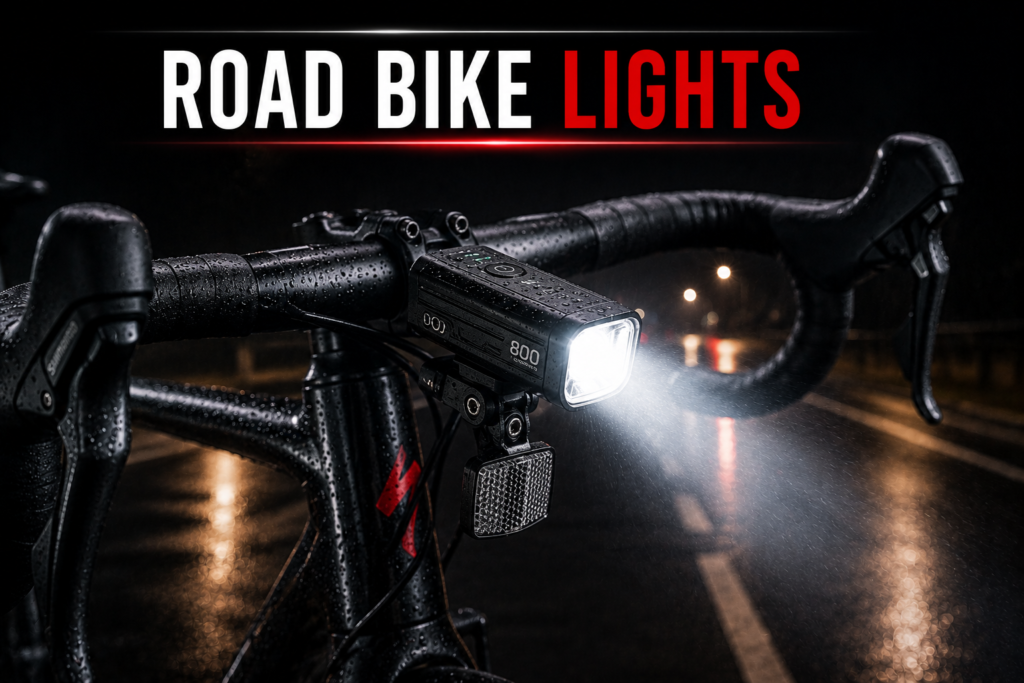
Many riders also complement their primary lighting setup with dependable road bike lights to improve visibility from multiple directions while adapting to different riding environments.
Cycling Technology Continues Moving Forward
Innovation continues transforming every aspect of bicycle equipment.
Manufacturers are developing smarter battery management systems, improved beam patterns, lighter materials, and more energy-efficient LEDs that deliver greater performance without increasing weight.
Future developments may introduce adaptive brightness, intelligent sensors, wireless synchronization with cycling computers, and automatic beam adjustment based on riding speed or surrounding conditions. These innovations will continue making cycling safer, more efficient, and more enjoyable for riders of every experience level.
Conclusion
Every successful ride depends on preparation, awareness, and dependable equipment. While bicycles continue becoming lighter and more advanced, visibility remains one of the most important elements of rider safety.
Investing in a reliable bike front light provides benefits that extend well beyond nighttime riding. From improving hazard detection and increasing confidence to enhancing communication with other road users, quality lighting transforms everyday cycling into a safer and more enjoyable experience. As more people choose bicycles for commuting, recreation, and adventure throughout 2026, dependable front lighting will remain one of the smartest upgrades any cyclist can make.
Frequently Asked Questions
1. Why should cyclists use a bike front light during the day?
Daytime lights improve visibility in traffic, shaded roads, fog, rain, and other low-light situations, making riders easier for others to notice.
2. What should I look for in a quality bike front light?
Consider brightness, battery life, waterproof protection, beam pattern, charging speed, mounting stability, and overall durability.
3. Are rechargeable bike lights better than battery-powered models?
Rechargeable lights are generally more cost-effective, environmentally friendly, and capable of delivering consistent performance over extended periods.
4. Does a brighter light always mean better performance?
Not necessarily. Beam quality, runtime, and even light distribution are often more important than maximum brightness alone.
5. Can one front light handle both commuting and recreational cycling?
Yes. Many modern lighting systems offer multiple brightness modes, allowing riders to adjust illumination according to different roads, weather conditions, and riding styles.