Visual advertising has become the heartbeat of modern retail, where every storefront and shopping aisle competes for a fleeting moment of customer attention. Static banners and printed posters, once the backbone of in-store promotion, now struggle to stand out in an environment saturated with stimuli. Business owners face a pressing challenge: how do you capture and hold a customer’s gaze without draining your marketing budget? The answer increasingly lies in sport LED displays dynamic, vibrant screens originally designed for stadiums and arenas that are now transforming retail advertising.
These displays deliver eye-catching motion graphics and vivid color that static signage simply cannot match. Beyond their visual impact, they offer surprising affordability when measured against long-term returns, reduced printing costs, and the flexibility to update content instantly. Whether you run a boutique shop or manage a multi-location chain, sport LED displays represent a practical, cost-effective upgrade that bridges the gap between premium branding and budget-conscious marketing. This article explores how these modern solutions work, why they drive engagement, and how you can implement them step by step without overspending.
The Evolution of Advertising: Embracing Sport LED Displays
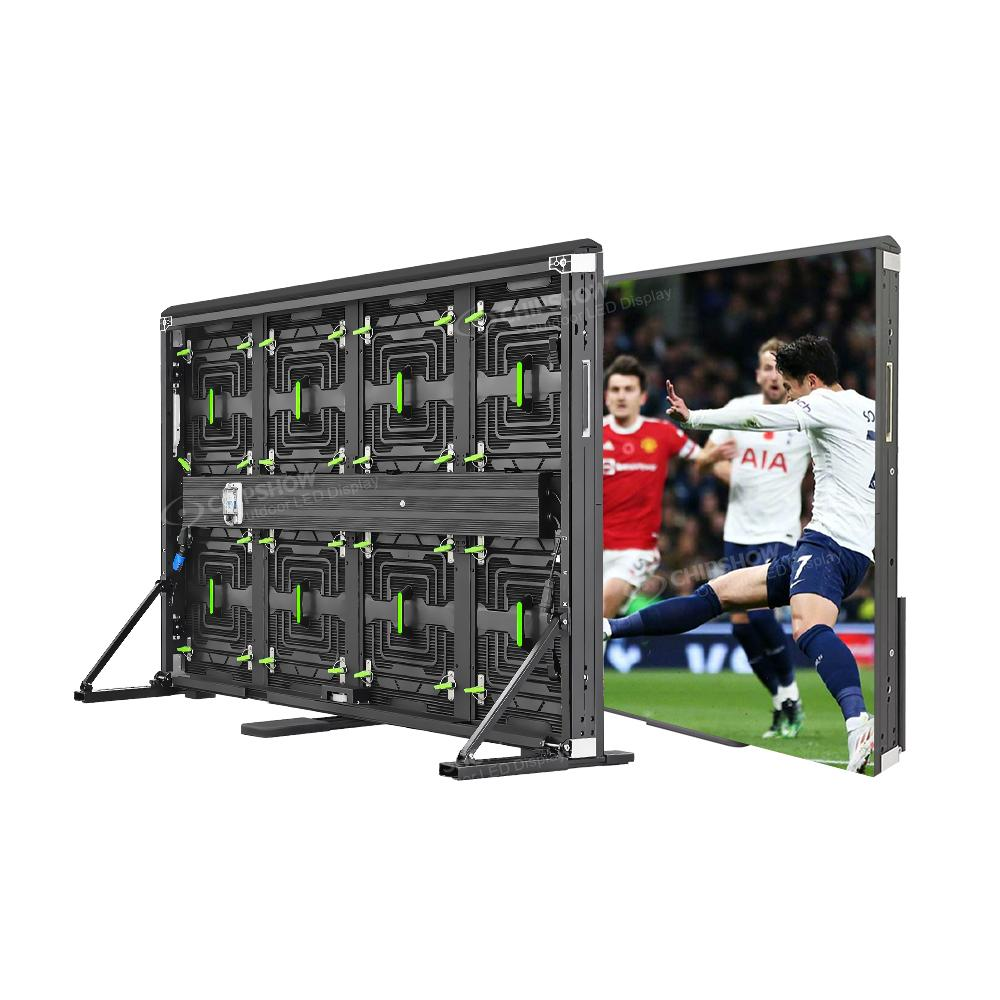
Sport LED displays are large-format digital screens engineered to deliver high-brightness, high-contrast visuals in demanding environments. Originally built to withstand the rigors of stadiums—where sunlight, distance, and fast-moving content converge—these displays have evolved into versatile tools for dynamic media across retail, hospitality, and commercial spaces. Unlike traditional advertising methods such as printed banners, vinyl wraps, or backlit posters, sport LED displays present moving imagery, real-time updates, and vivid color reproduction that naturally draws the human eye toward motion and contrast.
The core advantages make the shift compelling. High visibility is perhaps the most immediate benefit; even in brightly lit retail environments, modern LED panels maintain clarity and color accuracy that paper-based signage cannot replicate. Energy efficiency has improved dramatically as well, with current-generation LED technology consuming significantly less power per square meter than older illuminated signs while producing superior luminance. Versatility rounds out the value proposition—a single LED display can rotate dozens of promotions throughout the day, adapt messaging to time-sensitive campaigns, and even respond to live data feeds like weather or inventory levels. This flexibility transforms a one-time hardware investment into a continuously evolving advertising channel. For business owners seeking a medium that combines durability, visual punch, and adaptable content delivery, sport LED displays represent a natural progression from static signage into the era of dynamic, attention-driven marketing.
Meeting Business Needs: Boosting Engagement with Cost-Effective Solutions
If you operate a retail store, fitness center, or entertainment venue, you already know that customer dwell time directly correlates with revenue. The longer someone lingers near your products or services, the more likely they are to make a purchase. Sport LED displays address this reality by creating immersive visual experiences that stop people mid-stride. A clothing retailer, for instance, can showcase runway-style footage of their latest collection cycling through seasonal looks, while a sporting goods store might stream highlight reels that emotionally connect customers to the gear on display. These aren’t hypothetical scenarios—retailers who have replaced static window displays with LED screens consistently report measurable increases in foot traffic and in-store engagement.
The cost-effective upgrade path is more accessible than many business owners assume. Rather than outfitting an entire storefront at once, you can start with a single high-impact placement—a window-facing display or a focal wall behind the checkout counter—and expand as returns justify further investment. The ROI calculation favors LED displays when you factor in eliminated recurring expenses: no more monthly design fees for new posters, no printing costs, no installation labor for physical signage swaps. A single display pays for content changes through simple software uploads, meaning your tenth campaign costs the same to deploy as your first. Additionally, the ability to schedule promotions around peak hours—lunch specials at noon, evening deals after five—ensures your messaging always matches customer intent. For multi-location businesses, centralized content management systems allow you to push updates across every screen simultaneously, maintaining brand consistency while tailoring messages to local audiences. This combination of reduced operational costs, increased engagement, and scalable deployment makes sport LED displays one of the strongest cost-effective upgrades available to modern retailers.
Practical Implementation: A Step-by-Step Guide to Sport LED Displays
Step 1: Assessing Your Space and Advertising Goals
Before purchasing any hardware, walk through your retail environment with fresh eyes. Identify the spots where customers naturally pause—entrances, checkout queues, product demonstration areas, and window frontages visible from the street. Measure available wall space, ceiling height, and ambient light levels at different times of day, since these factors determine the brightness and pixel pitch your display will need.
Next, define your advertising goals clearly. Are you trying to increase foot traffic from passersby, boost impulse purchases near the point of sale, or reinforce brand identity throughout the shopping experience? Your target audience matters too: a youth-oriented sneaker shop demands fast-paced, high-energy content, while a wellness spa benefits from slower, calming visuals. Document these requirements in a simple brief that covers location dimensions, viewing distance, content style, and primary objectives. This groundwork prevents costly mismatches between your display investment and your actual engagement needs.
Step 2: Selecting the Right Display: Sport LED vs. Transparent LED
With your space assessment complete, you can make an informed choice between display types. Sport LED displays excel where bold, high-impact dynamic media is the priority—think full-motion video, vivid color saturation, and content visible from long distances or under direct sunlight. They work best on solid walls, above entrances, or as freestanding installations where the screen itself becomes the focal point. Transparent LED displays, by contrast, integrate seamlessly into glass storefronts and interior partitions, allowing natural light to pass through while overlaying digital content.
They preserve architectural aesthetics and suit luxury retail or environments where an unobstructed view matters. For most cost-effective advertising deployments focused on engagement and visibility, sport LED displays deliver a stronger visual punch per dollar spent. However, if your storefront relies heavily on window visibility and you cannot sacrifice natural lighting, a transparent LED solution offers a compelling middle ground. Many businesses ultimately combine both—a sport LED feature wall inside and transparent panels on the facade—to maximize coverage without overwhelming the space.
Step 3: Budgeting and Sourcing Cost-Effective Upgrades
Establish a realistic budget by separating your investment into three categories: hardware, installation, and ongoing content creation. Prioritize a single high-traffic placement rather than spreading funds thin across multiple low-impact locations. Many manufacturers, such as Chipshow, offer modular panel systems that let you start small and physically expand the display area later without replacing existing components. Leasing and financing arrangements are increasingly common, allowing you to spread capital expenditure over twelve to thirty-six months while the display generates returns from day one.
When sourcing, request total cost of ownership estimates that include power consumption, expected panel lifespan, and warranty coverage rather than comparing sticker prices alone. Scalable solutions—where additional panels snap onto existing frames—protect your initial investment and align future spending with proven revenue growth.
Step 4: Installation and Content Management for Maximum Impact
Professional installation ensures structural safety, optimal viewing angles, and clean cable management that protects your brand image. Work with certified installers who understand load-bearing requirements and local electrical codes. Once mounted, connect the display to a content management system that allows you to schedule playlists, push real-time updates, and monitor screen health remotely. For dynamic media content, follow a simple creation rhythm: produce a library of ten to fifteen short video loops covering your core promotions, then refresh two or three clips each week to maintain novelty.
Use high-contrast visuals, minimal text, and clear calls to action—customers absorb moving images faster than dense copy. Schedule content changes around peak traffic patterns so morning commuters see coffee promotions while evening shoppers encounter dinner-related offers. Regular maintenance is minimal; quarterly cleaning of the panel surface and annual firmware updates keep performance consistent. By treating your sports LED display as a living advertising channel rather than a static installation, you sustain customer engagement month after month while maximizing the return on your cost-effective upgrade.
Advanced Features and Future Trends in LED Advertising
The next wave of LED advertising technology is already reshaping what business owners can achieve with a single installation. Transparent LED panels now allow retailers to transform entire glass facades into digital canvases without blocking natural light or obscuring interior views—imagine a car dealership where promotional content floats across the showroom windows while customers still see the vehicles behind the glass.
This innovation extends the reach of dynamic media beyond traditional wall-mounted screens into architectural surfaces that previously served no advertising function. Real-time content integration represents another leap forward; sport LED displays can now pull live data feeds to adjust messaging automatically based on weather conditions, local event schedules, social media trends, or even in-store inventory levels. A running shoe retailer, for example, might trigger marathon training content when race day approaches or highlight waterproof gear the moment rain enters the forecast.
Looking ahead, artificial intelligence is beginning to influence content optimization, analyzing foot traffic patterns and engagement metrics to recommend which visuals perform best at specific times. Interactive capabilities—where displays respond to gestures or mobile device proximity—are moving from experimental installations into commercially viable products.
For business owners investing in sports LED displays today, these trends reinforce the long-term value of the platform. The hardware you install now serves as infrastructure for increasingly sophisticated content strategies over the coming years. Choosing modular, software-upgradable systems ensures your cost-effective upgrade remains competitive as the advertising landscape evolves, protecting your investment while opening doors to capabilities that static signage could never deliver.
Turning Dynamic Displays Into Long-Term Retail Success
Sport LED displays have emerged as one of the most practical tools available to business owners who want to elevate their branding, capture customer attention, and do so without high ongoing costs. The technology delivers what static signage cannot—motion, vibrancy, and real-time adaptability—while eliminating the recurring expenses of printed materials and manual installation. From assessing your space and selecting the right display type to budgeting wisely and managing dynamic media content, the implementation path is straightforward and scalable.
You don’t need to overhaul your entire marketing infrastructure overnight; a single well-placed screen can demonstrate measurable returns that justify gradual expansion. As transparent LED options, AI-driven content optimization, and interactive features continue to mature, the hardware you invest in today becomes a platform for tomorrow’s capabilities. The businesses that thrive in competitive retail environments will be those that communicate visually, respond quickly to changing conditions, and make every square meter of their space work harder. Adopting sport LED displays positions you on that path—combining cost-effective upgrades with the kind of dynamic engagement that turns passing glances into lasting customer relationships.