As large-scale construction projects expand across the Middle East, Southeast Asia, and Europe, fire safety compliance has moved from an afterthought to a core specification requirement. Engineers, contractors, and facility managers are increasingly demanding not just certified fire suppression equipment, but specifically FM Approved products — a distinction that carries significant weight in international project delivery.
What FM Approval Actually Means
FM Approvals is one of the world’s most rigorous third-party certification bodies for property loss prevention. Unlike regional certifications that may apply only within one country’s building codes, FM Approval is recognised by insurers, engineering procurement and construction (EPC) contractors, and authorities having jurisdiction (AHJ) across more than 100 countries.
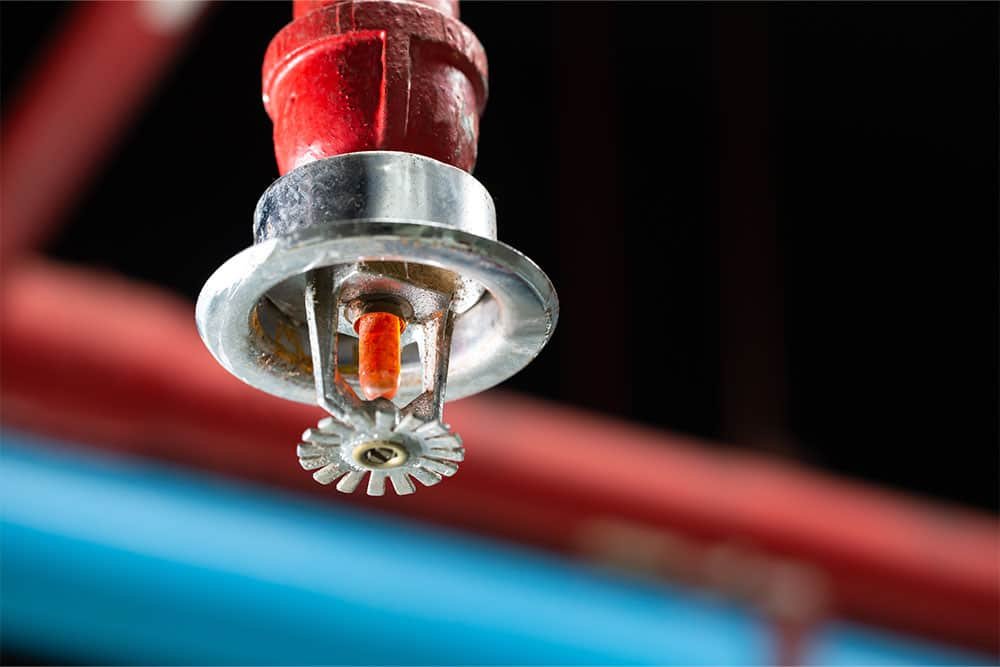
When a product carries FM Approval, it has passed independent laboratory testing for performance, reliability, and fire suppression effectiveness under standardised conditions. For fire sprinkler heads specifically, this means the product has demonstrated it will activate within the correct temperature range, distribute water at the required density, and maintain structural integrity under pressure — all without requiring the specifier to submit a substitution request.
The Substitution Problem That Delays Projects
On projects governed by FM Global insurance policies or international EPC specifications, non-listed fire suppression components routinely trigger substitution review processes. These reviews can add weeks to project timelines and introduce uncertainty that contractors prefer to avoid entirely.
The solution increasingly adopted by procurement teams is to source FM approved fire sprinklers from manufacturers whose products are already listed — removing the approval bottleneck before it starts. This approach has become standard practice on airport, data centre, and energy facility projects where schedule overruns carry significant financial penalties.
Factory-Direct Supply and the Cost Equation
A secondary factor driving procurement decisions is cost. Traditional supply chains for certified fire equipment often involve multiple intermediary layers — regional distributors, trading companies, and local agents — each adding margin before the product reaches the project site.
Direct-from-manufacturer sourcing, particularly from FM-listed factories in China producing to NFPA 13 standards, has allowed distributors and contractors to access compliant products at significantly reduced ex-works pricing. The combination of certification and factory-direct economics has shifted sourcing patterns for major projects in the Gulf Cooperation Council region and across infrastructure projects in Africa and South Asia.
Public Safety Implications Beyond Compliance
The case for FM Approved fire suppression systems extends beyond regulatory compliance. Building fires in commercial and industrial facilities cause substantial economic losses and, in cases where suppression systems fail or activate too slowly, result in casualties that compliant equipment could have prevented.
Insurance underwriters increasingly tie premium rates and coverage availability to the quality of installed fire protection systems. Facilities equipped with certified, listed suppression equipment not only meet code requirements but also demonstrate a measurable commitment to loss prevention — a factor that influences both insurance terms and asset valuations in commercial real estate markets.
As international construction standards continue to converge around FM Global and NFPA frameworks, the specification of listed fire suppression equipment has become less a matter of preference and more a baseline requirement for any project that expects to attract institutional financing, international tenants, or cross-border insurance coverage.