Taking to the skies in a modern airplane can easily feel like magic. Beneath that smooth passenger experience, however, lies a staggering amount of precise engineering. Every time a commercial jet leaves the runway, millions of individual parts must work together in perfect harmony.
Aerodynamics: The Foundation of Flight
Aerodynamics dictates how air interacts with a solid body in motion. For an aircraft, mastering aerodynamics means balancing four fundamental forces: lift, weight, thrust, and drag.
Engineers spend thousands of hours in wind tunnels and running computer simulations to perfect the shape of the fuselage and wings. A sleek, streamlined design reduces drag, which means the engines do not have to work as hard to push the plane forward. This reduction in drag directly improves fuel efficiency and increases the overall range of the aircraft. Special additions like winglets—the upward-sweeping tips on the ends of wings—help smooth out airflow and provide significant fuel savings over long distances.
Structural Integrity: Materials and Manufacturing
An airplane must withstand extreme physical stress, from turbulence at 35,000 feet to the heavy impact of a hard landing. Choosing the right materials is crucial for maintaining structural integrity without adding unnecessary weight.
Historically, aviation relied heavily on aluminum alloys. Today, manufacturers frequently use advanced composite materials like carbon fiber reinforced polymers. These composites offer an incredible strength-to-weight ratio. They do not corrode like traditional metals, and they handle the repetitive stress of pressurization beautifully.
Beyond the outer shell, the internal framework must be flawless. Every fastener, bracket, and cable assembly is manufactured to exact specifications. A single failure in a mechanical linkage or electrical connection can have serious consequences, so manufacturing processes include strict quality control checkpoints at every stage.
Propulsion Systems: Power and Efficiency
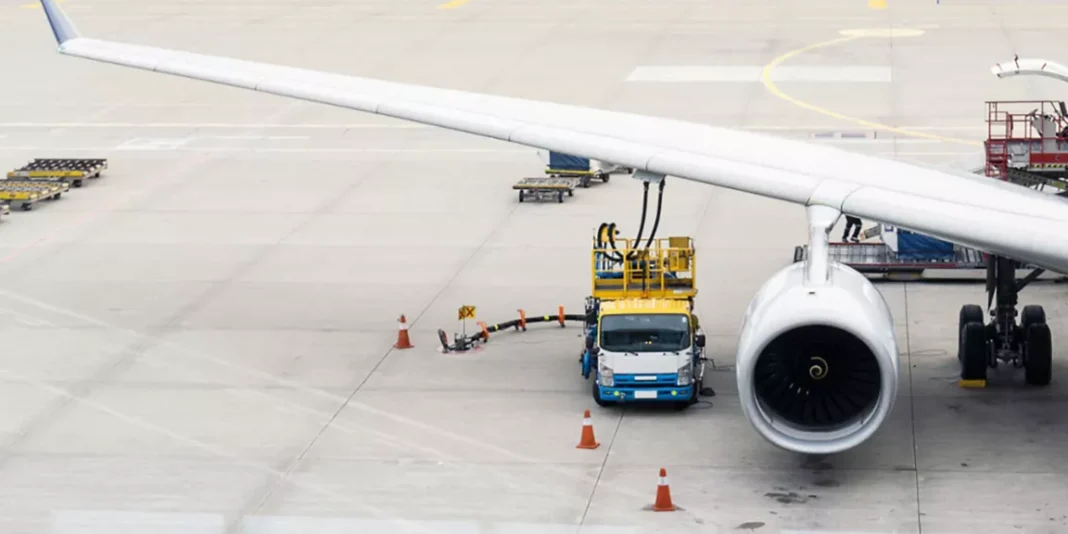
The engines are the beating heart of any aircraft. Modern commercial jets typically rely on high-bypass turbofan engines. These engineering marvels are designed to provide massive amounts of thrust while sipping fuel at highly controlled rates.
In a high-bypass engine, most of the air drawn in by the large front fan bypasses the combustion chamber entirely. This cooler air flows around the engine core, providing the majority of the thrust while also acting as a sound barrier. This design makes modern airplanes significantly quieter and vastly more fuel-efficient than older models. Engine manufacturers continually experiment with new blade shapes, heat-resistant ceramics, and improved combustion techniques to squeeze even more efficiency out of every drop of jet fuel.
Avionics and Control Systems: Precision and Reliability
Avionics refers to the electronic systems used on aircraft. This encompasses navigation, communications, flight control, and weather radar systems.
Older aircraft relied on mechanical cables and pulleys to move the flaps and rudders. Modern planes use fly-by-wire technology. When a pilot moves the control stick, a computer interprets that movement and sends electronic signals to actuators that adjust the flight control surfaces. This system saves weight by eliminating heavy mechanical linkages. It also allows the flight computers to assist the pilot, preventing the aircraft from entering dangerous stalls or exceeding structural limits. Multiple redundant computer systems ensure that if one fails, another takes over instantly.
Human Factors: Ergonomics and Pilot Interface
Even the most technologically advanced aircraft relies on human operators. The discipline of human factors engineering focuses on designing the cockpit environment to maximize pilot performance and minimize fatigue.
Cockpit layouts are standardized to ensure instruments are easy to read and controls are within comfortable reach. Digital glass cockpits have replaced confusing arrays of analog dials with large, clear LCD screens. These screens display the most critical information prominently, reducing the mental workload on the flight crew. Comfortable seating, appropriate lighting, and intuitive alert systems all play a part in ensuring pilots remain alert and capable during long-haul flights.
Certification and Regulation: Ensuring Compliance
Before a new aircraft design ever carries a paying passenger, it must undergo years of grueling testing. Regulatory bodies like the Federal Aviation Administration (FAA) in the United States and the European Union Aviation Safety Agency (EASA) set strict safety standards.
Test pilots fly prototype aircraft into extreme weather conditions, including severe icing and extreme heat. Engineers intentionally bend wings until they snap in laboratories to ensure they can handle loads far exceeding normal flight conditions. The certification process guarantees that every component, system, and manufacturing technique meets the highest possible safety requirements.
Future Trends in Aircraft Design
The aviation industry never stands still. Engineers are already looking toward the next generation of aircraft design. Sustainability is currently the biggest driving force in the industry.
Manufacturers are heavily researching hybrid-electric and fully electric propulsion systems for short-haul flights. Additionally, the adoption of Sustainable Aviation Fuel (SAF)—made from renewable resources like plant oils or agricultural waste—promises to drastically reduce the carbon footprint of existing jet engines. We are also seeing renewed interest in blended-wing-body designs, which eliminate the traditional tube-and-wing shape to create an ultra-aerodynamic aircraft capable of carrying more passengers with less fuel.
Conclusion
Designing an aircraft is a massive undertaking that requires harmony across multiple engineering disciplines. From the curve of the wings to the intricate digital systems, every element serves a specific purpose. As technology advances, the aviation industry will continue to push the boundaries of what is possible, ensuring air travel remains the safest and most efficient way to connect our world.