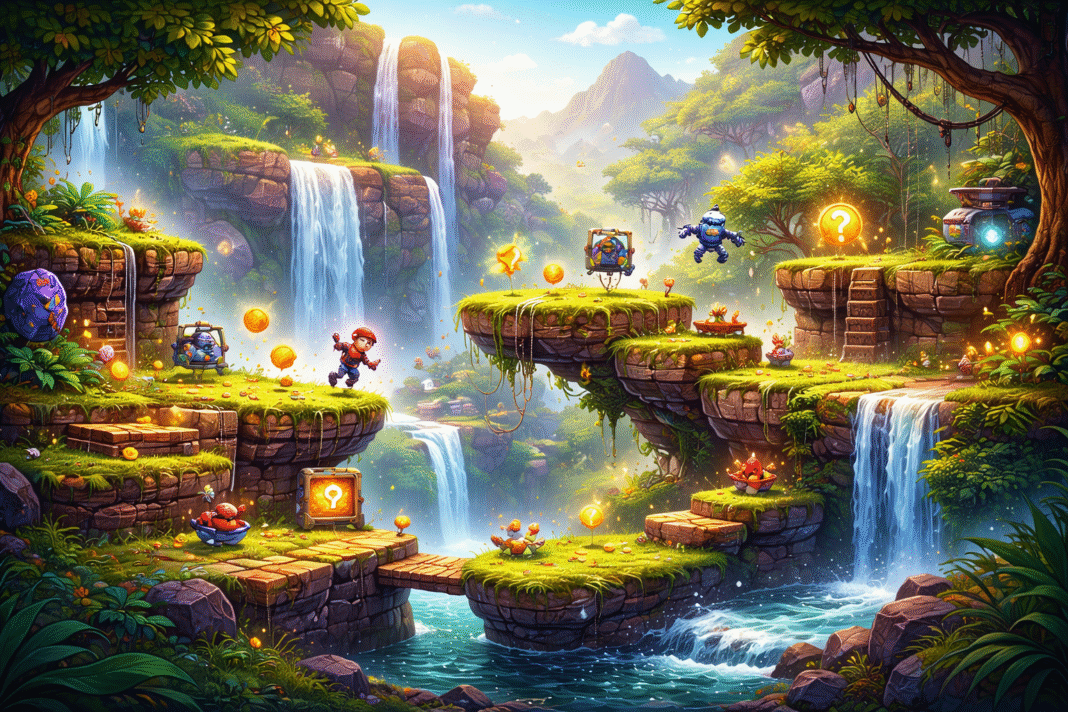
Artificial intelligence is becoming an important tool in modern game development, especially for developers building viral games that require large numbers of levels. AI tools can quickly generate layouts, place obstacles, and create multiple stages within minutes, allowing developers to focus on gameplay mechanics and player experience. However, AI-generated levels often appear too mechanical. Platforms may line up perfectly, enemies spawn at predictable intervals, and collectibles are arranged in exact patterns. While these levels function properly, they often lack the natural flow and creativity that players expect. For viral games, where engagement and replayability are critical, level design must feel dynamic and interesting. By guiding AI generation with thoughtful design choices, developers can transform mechanical layouts into levels that feel more natural and enjoyable.
Why AI-Generated Levels in Viral Games Often Feel Artificial
AI level generation systems typically rely on patterns and consistency to ensure the gameplay remains balanced. When developers provide simple instructions such as generating platforms, enemies, and collectibles, the AI organizes these elements in symmetrical and evenly spaced layouts. This results in levels where platforms appear at identical distances, enemies follow repeated patterns, and obstacles are distributed in predictable ways. Although this approach ensures the levels are playable, it also removes the unpredictability that makes gameplay exciting. In viral games, players often decide within the first few seconds whether they will continue playing. If the level structure feels repetitive or robotic, the experience can quickly become boring. To create engaging levels, developers need to guide AI tools with instructions that introduce variation and purposeful design.
Planning the Flow of Gameplay Before Generating Levels
One effective way to improve AI-generated levels is to plan the player’s journey before using generation tools. Each level should guide the player through a clear progression that gradually increases challenge and excitement. In many successful viral games, levels begin with a simple introduction that allows players to understand the basic mechanics. As the level continues, obstacles become slightly more challenging, requiring quicker reactions or more precise movements. Toward the end, the level often builds toward a rewarding moment, such as a satisfying jump or a final obstacle that feels exciting to overcome. By describing this progression in the generation prompt, developers can help the AI produce levels that feel structured and intentional instead of random collections of platforms and enemies.
Creating Natural Variation in Platform Spacing
Perfect spacing between platforms is one of the most common signs that a level was generated by AI. Real environments rarely follow strict patterns, and well-designed game levels often include irregular distances between obstacles. In viral games, this variation helps maintain player attention and creates a more dynamic rhythm of movement. Developers can encourage this by specifying uneven social gaming platform spacing, slight height differences, and occasional longer jumps that challenge the player. Including sections with fewer obstacles can also provide short moments of relief between more intense areas. These small variations make the level feel less predictable and more engaging, which encourages players to continue progressing through the game.
Using Clusters Instead of Even Distribution
Another way to create more natural AI-designed levels is to use clusters of objects rather than distributing everything evenly. AI tools frequently place collectibles and enemies at equal intervals, which can quickly become repetitive. In natural level design, objects often appear in groups that create moments of tension or reward. For example, several coins might appear above a difficult jump, encouraging players to take a risk to collect them. A group of enemies might guard a valuable item, forcing the player to decide whether to avoid the area or confront the challenge. These clustered arrangements create meaningful decisions during gameplay and make levels feel more purposeful.
Adding Environmental Context to Levels
Levels become more engaging when the environment supports the gameplay. Even in simple viral games, environmental elements can make a level feel more believable and connected. Instead of placing platforms randomly in open space, developers can describe terrain features that naturally influence level structure. Broken bridges can create gaps that players must jump across, rocky surfaces can lead to uneven platform heights, and cave passages can narrow the playable area to increase tension. These environmental cues help players understand the layout and provide visual storytelling that makes the level feel more immersive.
Balancing Rhythm and Pacing
Effective level design often relies on rhythm, which means alternating between faster and slower gameplay sections. AI-generated levels sometimes maintain a constant pace, which can make the experience feel repetitive over time. In well-designed viral games, the beginning of a level usually allows players to move comfortably while learning the layout. The middle portion introduces more obstacles or tighter spaces, requiring faster reactions and greater precision. Near the end, the level may present the most intense challenge before concluding with a satisfying finish. This gradual change in pacing keeps players engaged and prevents fatigue, making the overall experience more enjoyable.
Testing Levels in Full Sequences
Even when individual levels appear well designed, problems often become visible when multiple levels are played in sequence. Patterns such as repeated layouts or similar enemy placements can reduce the sense of progression in viral games. Testing several levels back to back helps developers identify where gameplay begins to feel repetitive. During testing, it is useful to observe how long players spend on each level and which sections cause frustration or boredom. Feedback from testers can reveal which parts feel natural and which sections need improvement. Using this information, developers can adjust AI prompts or regenerate specific sections to introduce more variation.
Conclusion
AI tools offer powerful opportunities for developers creating viral games because they allow large numbers of levels to be generated quickly. However, without careful guidance, AI-generated designs can appear too structured and predictable. By focusing on level flow, introducing natural variation, clustering objects, adding environmental context, and balancing gameplay rhythm, developers can significantly improve the quality of AI-generated levels. Combining these design principles with AI generation allows developers to maintain efficiency while still creating gameplay experiences that feel engaging, natural, and enjoyable for players.