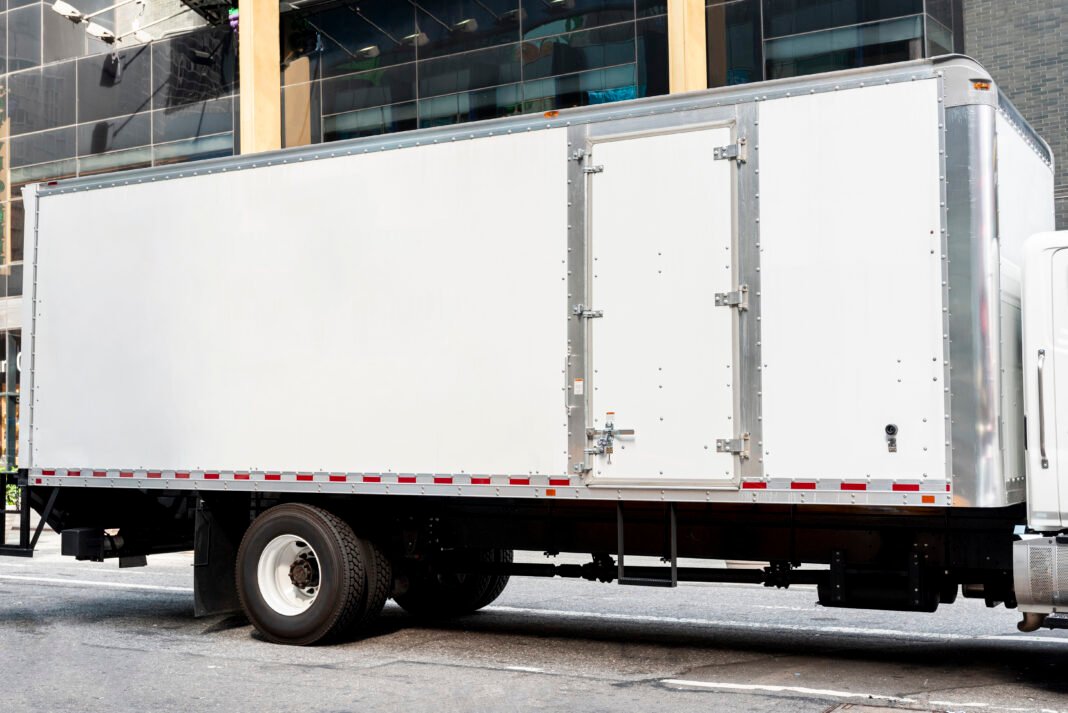
The cold chain does not pause. Whether a food distributor is managing overflow inventory during a peak season, a pharmaceutical company needs temporary storage during a facility transition, or a caterer is supplying a large outdoor event in summer heat, the need for reliable temperature-controlled transport does not wait for ownership timelines to catch up.
Reefer trailer rental has become one of the more practical solutions businesses across industries turn to when that gap arises. But renting refrigerated equipment is not the same as renting a standard dry van. The decisions involved, from trailer size and temperature range to rental terms and maintenance responsibility, carry real consequences for the product inside.
This is a guide to making those decisions well.
What Is a Reefer Trailer and How Does It Work?
A reefer trailer is a semi-trailer fitted with a self-contained refrigeration unit, typically mounted at the front of the trailer, that maintains a set temperature range inside the cargo area throughout transit or storage. The interior is insulated with high-density foam panels and typically lined with aluminum or stainless steel walls to minimize heat transfer and allow for thorough cleaning between loads.
Modern reefer trailers can maintain temperatures from well below freezing, around -20 degrees Fahrenheit for hard-frozen goods, up to approximately 70 degrees Fahrenheit for products like certain produce or flowers that require cool but not cold conditions. More advanced units offer multi-temperature configurations, allowing a single trailer to carry different products at different temperatures simultaneously using internal dividers.
The refrigeration unit runs on diesel fuel, typically from a separate tank from the tractor, and operates independently of whether the trailer is moving or stationary. This makes reefer trailers equally useful for transport and for temporary on-site refrigerated storage.
Why Do Businesses Rent Instead of Own?
Ownership of refrigerated trailers makes sense for businesses with predictable, year-round demand at sufficient volume. For everyone else, the math tends to favor rental.
The economics are fairly direct. A new 53-foot reefer trailer represents a capital investment of $60,000 to $80,000 or more, before accounting for maintenance, refrigeration unit servicing, licensing, insurance, and the carrying cost of an asset that depreciates. For a business whose needs are seasonal, project-based, or of uncertain duration, tying up that capital is difficult to justify.
Rental shifts that equation. The business pays for the capacity it needs, for the time it needs it, and returns the equipment when the need passes. When demand spikes, additional units can be added without acquiring a fleet. When demand drops, so does the cost.
There is also a practical argument around maintenance. Rental fleets from established providers are typically maintained to commercial standards, with refrigeration units serviced on a documented schedule. A business renting for a short-term need does not inherit the mechanical history of the equipment or the liability of keeping it roadworthy.
Boxwheel cited that modern rental units allow operators to detect deviations before product is compromised, a capability that older owned equipment may lack without significant technology investment.
What Sizes Are Available and How Do You Choose?
Reefer trailers come in two broad categories for most commercial applications.
Standard trailers (48 to 53 feet) are the workhorses of refrigerated logistics. A 53-foot trailer can carry approximately 26 standard pallets and is the default choice for full truckload refrigerated freight and large-volume temporary storage. These units are pulled by a Class 8 tractor and require a driver with a commercial driver’s license.
Pup trailers (20 to 28 feet) are the more flexible option for shorter hauls, tighter facilities, and smaller volumes. They are sometimes used in tandem, with two pup trailers pulled by a single tractor, allowing deliveries to multiple locations on the same run. For businesses operating in urban environments or with docks of limited depth, a pup trailer is often the practical choice.
The selection should be driven by three factors: the volume of product being transported or stored, the physical constraints of the loading and unloading environment, and the duration of the rental. For storage applications where the trailer will remain stationary, a 53-foot unit maximizes capacity per rental dollar. For transport applications with multiple drops, a smaller unit or a split load may serve better.
What Temperature Ranges Apply to Different Products?
This is one of the most consequential specifications in a reefer rental, and it is worth confirming in detail before the trailer is loaded.
Different products require different temperature windows, and some have very narrow acceptable ranges:
Hard frozen goods (ice cream, frozen meats, frozen prepared foods): Typically require 0 degrees Fahrenheit or below. Some products require -10 degrees Fahrenheit for extended transport.
Fresh meats and seafood: Generally held at 28 to 32 degrees Fahrenheit, just above the freezing point, to slow bacterial growth without freezing the product.
Dairy products: Typically 34 to 38 degrees Fahrenheit.
Fresh produce: Varies widely by product type. Leafy greens and berries often require 34 to 36 degrees Fahrenheit, while tropical fruits like bananas can be damaged by temperatures below 55 degrees Fahrenheit.
Pharmaceuticals: Temperature ranges vary by product but are typically defined by the manufacturer’s specification and are subject to regulatory documentation requirements. Some biologics require storage below -20 degrees Fahrenheit, while others require a standard refrigerated range of 35 to 46 degrees Fahrenheit.
Before renting, confirm that the trailer’s refrigeration unit can achieve and hold the temperature range your product requires, and ask about the unit’s recovery time from door openings, which affects performance in high-activity loading environments.
What Are the Key Questions to Ask a Reefer Rental Provider?
The rental agreement and the conversation leading up to it determine a great deal about how the experience unfolds. These are the questions worth asking before committing.
What is the maintenance history of the refrigeration unit? A recently serviced unit is less likely to fail during a critical haul or storage period. Ask when the refrigeration unit was last inspected and whether service records are available.
Who is responsible for fuel? Reefer units run on diesel, and consumption depends on ambient temperature, how often doors are opened, and the temperature differential being maintained. Understand whether fuel is included in the rental rate or billed separately.
What happens if the unit malfunctions? Ask specifically about the provider’s response time for equipment failure and whether a replacement unit is available on short notice. This matters more for a business storing pharmaceutical products or high-value perishables than for dry storage overflow.
Is telematics included? Many modern rental fleets are equipped with temperature monitoring and GPS tracking. Knowing whether your rental includes this capability affects how you manage the load during transit.
What are the terms around damage? Reefer units are mechanical systems, and doors, latches, and flooring take wear. Understand what constitutes normal wear versus chargeable damage before signing.
What are the minimum rental periods? Some providers require a minimum of 1 week, even for short-term needs. Others offer daily rates for event-based rentals. Match the rental structure to the actual duration of your need.
What Regulations Apply to Refrigerated Transport?
Temperature-controlled transport operates within a regulatory framework that varies by cargo type and jurisdiction.
Food Safety Modernization Act (FSMA): The Sanitary Transportation of Human and Animal Food rule under FSMA establishes requirements for temperature control, trailer cleanliness, and documentation for food shipments in the United States. Shippers, carriers, and receivers all have defined responsibilities under this framework.
Pharmaceutical transport: FDA guidelines on the distribution of biologics and temperature-sensitive drugs require documented chain-of-custody records and temperature logs throughout transit. For pharmaceutical rentals, confirm that the trailer’s monitoring system generates the documentation your compliance team requires.
State and local requirements: Some states have additional requirements for temperature-controlled transport of specific products, including raw milk, shellfish, and certain meats. If your route crosses state lines with a product subject to additional regulation, verify compliance requirements before the trailer moves.
For businesses renting equipment and contracting out the driving, it is worth clarifying which party is responsible for regulatory compliance for each leg of the shipment.
What Is Driving Growth in the Reefer Rental Market?
The demand for refrigerated transport capacity has expanded well beyond its traditional base in food and beverage logistics. According to Market Research Future, the global refrigerated truck rental market was valued at approximately $72.28 billion in 2024 and is projected to reach $179.47 billion by 2034, reflecting a compound annual growth rate of 9.5 percent.
Several factors are converging to drive that growth. The pharmaceutical sector’s expansion into biologics and cell-based therapies has created new demand for ultra-cold transport. E-commerce in fresh grocery has pulled refrigerated logistics into last-mile delivery in ways that were not significant a decade ago. And the general shift toward just-in-time supply chains has increased the premium placed on flexible, scalable refrigerated capacity rather than fixed owned fleets.
For businesses evaluating whether reefer rental belongs in their logistics toolkit, these trends suggest the infrastructure, technology, and availability of quality rental equipment will continue to improve, making the case for rental over ownership more compelling over time, not less.
A Practical Note on Planning
The businesses that get the most out of reefer rentals tend to be those that plan the engagement before the need becomes urgent. Rental availability tightens during peak seasons; summer heat intensifies demand for produce and event logistics; and the weeks before major holidays strain refrigerated capacity across the supply chain.
Establishing a relationship with a rental provider, understanding lead times, and knowing the specifications your product requires before you are in the middle of a logistics crunch are the kinds of preparations that cost nothing in advance and pay off meaningfully when it matters.
The cold chain does not pause. The preparation behind it should not be either.